
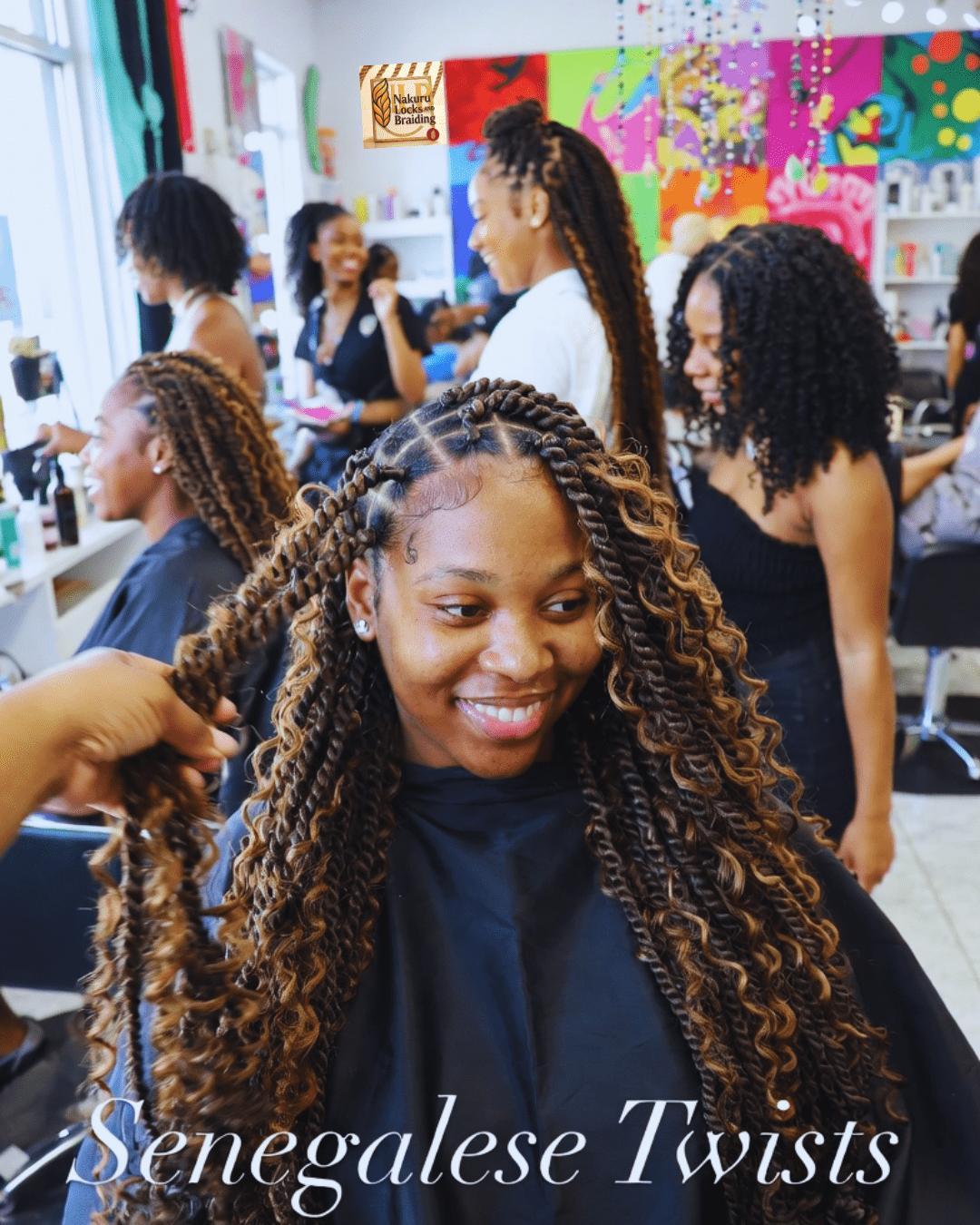
Senegalese Twists 2026: Jumbo, Curly, Short, Boho & How to Do Them Right
Senegalese twists, Senegal twists, jumbo Senegalese twists, curly Senegalese twists, knotless Senegalese twists, boho Senegalese twists – real Nakuru salon guide.
The salon was alive that Saturday morning — laughter bouncing off the walls, the rhythmic click of beads being strung, the warm scent of coconut oil and shea butter hanging thick in the air. Outside, Bazaar Road was in full swing: bodas zipping past, vendors calling out fresh mandazis, the distant call to prayer floating over Nakuru.
Then Zawadi walked in. Early 20s, university student from London Road, her natural hair in a high puff that had seen better days. She sat in my chair, took a deep breath, and said:
“Faith, I want Senegalese twists. Not the thin ones — something bold. Jumbo, maybe curly ends, boho vibe. But I’ve heard they’re heavy, and last time my scalp hurt for days. Can you show me how to do Senegalese twists that look good and don’t destroy my edges?”
I smiled — because that exact question has come up hundreds of times in the last few years. At Nakuru Locks and Braiding, we’ve watched Senegalese twists evolve from “classic protective style” to full-blown fashion statement — jumbo, knotless, curly, boho, short, long, beaded, ombre. And every time, the goal is the same: beauty without sacrifice.
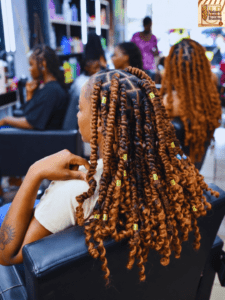
What Are Senegalese Twists? (And Why They’re Still King in 2026)
Senegalese twists (sometimes called Senegal twists or rope twists) are two-strand twists made with added hair — usually Kanekalon, Marley, or Toyokalon — wrapped tightly around natural hair to create long, rope-like strands. Originating from West Africa (especially Senegal), they’re one of the oldest and most enduring protective styles in the diaspora.
Unlike box braids (three strands) or crochet styles, Senegalese twists use a two-strand technique that gives a smoother, shinier finish with less bulk at the roots. At Nakuru Locks and Braiding, we’ve observed they’re especially loved by women who want length and protection without the heaviness of goddess locs or the maintenance of knotless braids.
Best Hair for Senegalese Twists: Kanekalon vs Others
Kanekalon hair for Senegalese twists remains the gold standard — lightweight, shiny, tangle-resistant, holds style for 6–10 weeks. We recommend premium Kanekalon (not the cheap, wiry kind) for that signature sleek rope look.
Alternatives we use:
- Marley hair — thicker, more textured, perfect for jumbo Senegalese twists or boho looks.
- Yaki hair — mimics relaxed African hair texture, great for natural-looking Senegalese twists.
- Water wave / deep wave — for curly Senegalese twists or Senegalese twists curly ends.
Senegalese Twists Styles We’re Loving in Nakuru 2026
Senegalese Twists Short
Chin to shoulder length — lightweight, quick to install (3–5 hours), perfect for hot Nakuru days or active lifestyles. Great starter style for first-timers.
Senegalese Twists Jumbo / Big Senegalese Twists
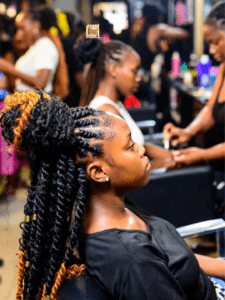
Thick, bold sections — dramatic, regal, lasts 8–12 weeks. We add Marley or Kanekalon bulk for volume. Many clients say they feel like queens.
Senegalese Twists Curly / Curly Ends
Straight roots with water-wave or deep-curl ends — romantic, bouncy, modern. Curly Senegalese twists are huge for weddings and photoshoots right now.
Boho Senegalese Twists
Loose, messy, accessorized with beads, cuffs, shells — free-spirited, artistic. We leave some ends unraveled or curled for that effortless vibe.
Knotless Senegalese Twists
Feed-in technique — starts with your natural hair, no knot at roots. Gentler on edges, less tension, ideal for long-term wear (10–16 weeks).
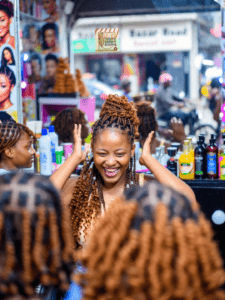
How to Do Senegalese Twists: Step-by-Step (Salon + Home Tips)
1. Wash & condition hair — detangle fully.
2. Section into desired size (jumbo = 6–8 sections per side).
3. Take Kanekalon/Marley hair — split into two equal parts.
4. Twist one strand around natural hair + other strand (rope motion).
5. Continue twisting down to ends — seal with hot water dip (optional).
6. For Senegalese twists crochet: Pre-twist Kanekalon, crochet into cornrows.
7. Style: beads, curls, updo — protect with satin bonnet nightly.
Pro tip from Nakuru Locks: Start with small sections near edges to avoid tension alopecia.
Nakuru Locks 3-Step Senegalese Twists Care Routine
1. Daily moisture mist — water + leave-in + oil seal.
2. Weekly gentle cleanse — diluted shampoo on cotton pads.
3. Nightly satin protection — bonnet or pillowcase.
Many clients report vibrant twists lasting 8–12 weeks with this routine.
Before/After: Realistic Expectations & Timeline
Week 1–2: Fresh, slightly stiff — normal settling.
>Month 1–3: Twists soften, curls/waves pop, minimal shedding.
>Month 4–6: Visible length retention, healthier edges.
>Month 8–12: Full transformation — thicker regrowth, confident length.
Warnings & When to See a Pro
Pain >3 days, redness, bald patches? Loosen or remove immediately — traction alopecia risk (Journal of Cosmetic Dermatology, 2023).1 Scalp itching/pus? See dermatologist. We always check scalp health first.
Your Senegalese Twists Checklist
- Every Morning: Light mist + finger fluff
- Weekly: Gentle cleanse + oil massage
- Monthly: Edge refresh + bead check
- Week 8–10: Book retouch/removal
Related Articles:
FAQ – Senegalese Twists Questions We Get Daily
Two-strand rope twists with added hair — smooth, shiny, long-lasting protective style.
Short = lighter, faster install. Jumbo = bold, regal, longer wear.
Premium Kanekalon for sleek look, Marley for texture, water wave for curly ends.
6–12 weeks with good care; knotless can go 10–16 weeks.
Jumbo can be — choose smaller sections or knotless for lighter feel.
Ready for Your Perfect Senegalese Twists?
Book Your Senegalese Twists Session
WhatsApp Us NowAddress: Mt. Sinai building, Bazaar Rd, Nakuru City, Kenya
Phone: 0723 168 188
WhatsApp: +254 723 168 188
Email: ann@nakurulocksandbraiding.com
References
- Journal of Cosmetic Dermatology (2023). Protective styles and traction alopecia.
- American Academy of Dermatology (2024). Protective hairstyles guide.
- International Journal of Trichology (2022). Synthetic hair durability and scalp health.
Leave a Reply