
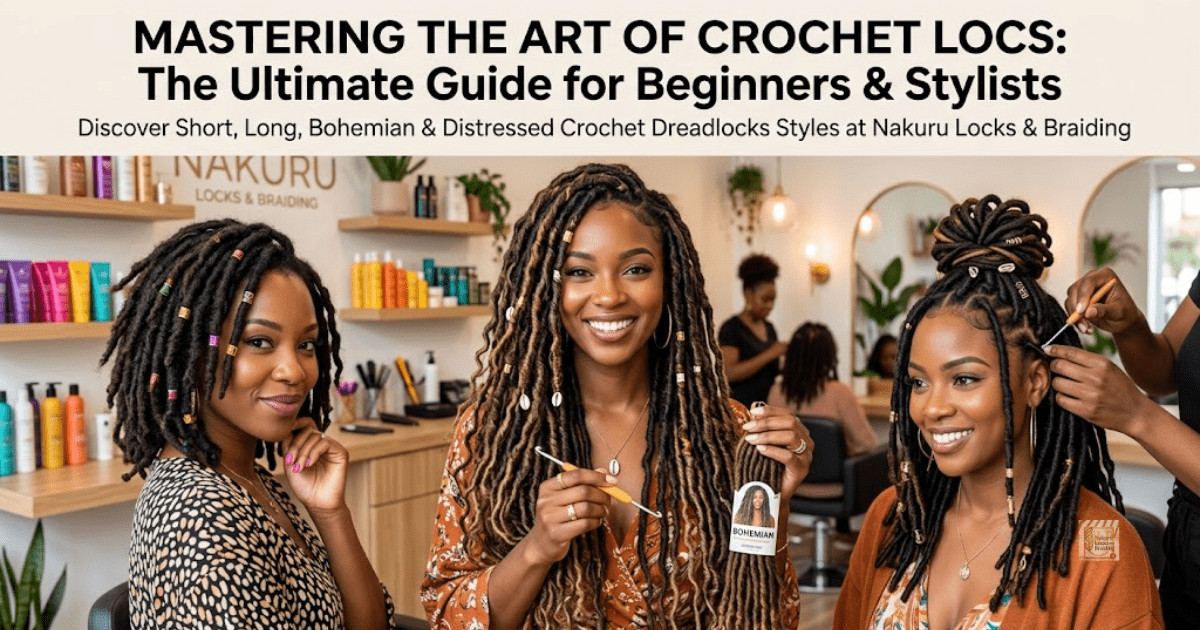
Mastering the Art of Crochet Locs: The Ultimate Guide for Every Stylist and Enthusiast
Imagine walking into a salon with loose natural hair and leaving with locs that look mature, intentional, and camera-ready the same day.
That is the appeal of crochet dreadlocks: they can create or refine locs quickly while still giving a textured, natural aesthetic.
For a global audience, this style resonates because it blends convenience, cultural expression, and protective styling in one service.
Crochet dreadlocks are made by using a small crochet hook to pull loose hair into a locked structure or to maintain existing locs.
The method is popular because it can be used for starting locs, maintaining locs, repairing weak spots, and creating extensions, which makes it useful for clients at different stages of their loc journey.
For many, the journey to locs feels like a major commitment—a years-long process of growth, patience, and meticulous maintenance.
But what if you could have the aesthetic of beautiful, mature locs without the months of waiting? Enter the crochet locs method.
This technique has revolutionized the way we approach hair extensions, offering a low-manipulation, high-impact style that works for every hair texture and length.
At Nakuru Locks and Braiding, we believe everyone deserves to feel confident in their crown.
Whether you are a beginner looking to understand the basics or an enthusiast hunting for the latest style inspiration, this guide is your comprehensive roadmap to all things crochet dreadlocks.
What Exactly are Crochet Locs?
At its core, the crochet method is a technique that uses a specialized, tiny crochet hook to install synthetic or human hair extensions onto your natural hair.
Unlike traditional “faux locs” that are wrapped by hand—a process that can take up to 8–10 hours—the crochet method involves creating a base of cornrows and then using a latch hook tool to “loop” and secure pre-made loc extensions into those braids.
The result? A lightweight, natural-looking, and remarkably fast installation that protects your natural hair while giving you the freedom to experiment with length, color, and texture.
Types of Crochet Dreadlocks Styles
The world of crochet locs is vast. Because the extensions come pre-made in various textures, you can achieve nearly any look imaginable.
1. Bohemian or “Goddess” Locs
These are perhaps the most popular trend today. Bohemian locs feature a “messy,” textured look with loose, curly strands left at the ends or interspersed throughout the shaft. They offer a soft, ethereal vibe that is perfect for both casual days and formal events.
2. Distressed or “Butterfly” Locs
Distressed locs are characterized by a looped, frayed appearance. They look “worn-in” and authentic, mimicking the look of mature, lived-in dreadlocks. They are ideal if you want a style that doesn’t look “too perfect.”
3. Sleek and Uniform Locs
For those who prefer a clean, organized look, classic synthetic loc extensions offer a uniform shape and thickness from root to tip. These are perfect for professional environments where a polished silhouette is desired.
Short vs. Long Dreadlocks Crochet Styles
Choosing your length is often the hardest part of the decision. Here is how to decide:
-
Short Crochet Dreadlocks (Bob/Lob):
-
-
Vibe: Edgy, modern, and youthful.
-
-
-
Benefits: Lower maintenance, less weight on the scalp, and much faster to install. They are perfect for summer weather in Nakuru because they allow for better airflow to the scalp.
-
-
-
Best for: Petite frames and those looking for a protective style that doesn’t feel heavy.
-
-
Long Crochet Dreadlocks:
-
-
Vibe: Dramatic, regal, and timeless.
-
-
-
Benefits: Maximum styling versatility (you can do buns, high ponytails, and intricate updos).
-
-
-
Best for: Those who want a “statement” look. Note that extra length requires more care to prevent tangling.
-
How to Style Crochet Locs for Beginners
If this is your first time wearing crochet locs, you might feel overwhelmed by the styling options. The good news? Locs are incredibly low-maintenance.
-
The Half-Up, Half-Down: Pull the front section of your locs into a high bun or ponytail, leaving the back half flowing down. This keeps hair out of your face while maintaining volume.
-
The High Bun: Gather all your locs into a high ponytail and wrap them into a top knot. You can accessorize with gold cuffs or string to add a personal touch.
-
The Side Sweep: Simply part your hair deeply to one side and pin it behind your ear using a decorative hair clip. This is the fastest way to change your look in seconds.
-
Accessories: Don’t underestimate the power of shell charms, metal cuffs, and colorful threads. Placing these sporadically along the locs makes the style uniquely yours.
How to Crochet Natural Dreadlock Styles
While many people use the crochet method to install extensions, the same tool can be used to maintain natural dreadlocks.
If you have grown your own natural hair into locs, a crochet hook (typically 0.6mm or 0.75mm) is the gold standard for “tightening” the roots. By inserting the hook through the base of the loc and pulling the loose hair back into the center of the braid, you can “lock” the new growth without the need for heavy waxes or gels.
Pro-Tip: Always work on damp, clean hair, and be gentle. The goal is to weave the loose hair into the loc, not to slice through your natural strands.
Maintenance and Care: Keeping Your Crown Fresh
The beauty of crochet locs lies in their longevity—they can typically last 4 to 8 weeks. Here is how to keep them looking brand new:
-
Nighttime Protection: Always wear a satin or silk bonnet/scarf. This reduces friction, which is the main cause of “fuzziness” at the roots.
-
Scalp Health: Because your natural hair is tucked away, don’t neglect your scalp. Use a light oil (like jojoba or peppermint) or a scalp spray to soothe itching and keep your natural roots hydrated.
-
Washing: You can wash crochet locs, but do it carefully. Focus on your scalp using a diluted shampoo mixture, then gently rinse. Avoid heavy conditioning, which can cause the synthetic hair to slip or lose its texture.
-
Preventing Fuzz: If your roots start looking frizzy, you can gently retwist them with a light holding gel, but avoid over-manipulation.
Frequently Asked Questions (FAQ)
Q: Do crochet locs damage natural hair?
A: No, when done correctly, crochet locs are an excellent protective style. The key is ensuring your cornrow base isn’t too tight and that you don’t keep them in for too long (limit to 8 weeks).
Q: Can I swim with crochet locs?
A: Yes, but keep in mind that synthetic hair will absorb water and become heavy. After swimming, ensure you rinse them thoroughly with fresh water and allow them to air-dry completely to prevent odor.
Q: How do I know what length is right for me?
A: A simple test: hold the locs at your jawline. If they fall below your chin, they are a great frame for your face. If you are active, shorter lengths (shoulder-length) are often more comfortable.
Visit Nakuru Locks and Braiding
At Nakuru Locks and Braiding, we specialize in bringing your hair goals to life. Whether you’re interested in the trendy “Goddess” look or need expert maintenance for your natural locs, our stylists are here to provide professional, gentle, and creative care.
Ready for your next style?
Stop by our salon, let us assess your hair type, and we’ll help you find the perfect crochet style to match your unique personality.
References
-
The Right Hairstyles: Short Faux Locs Guide. (2025)
-
AliExpress Styling Guides: Short Crochet Dreads. (2025)
-
NaturAll Club: Crochet Loc Care and Maintenance. (2021)
-
Dreadlock Central: The Crochet Method Explained. (2017)
Leave a Reply