
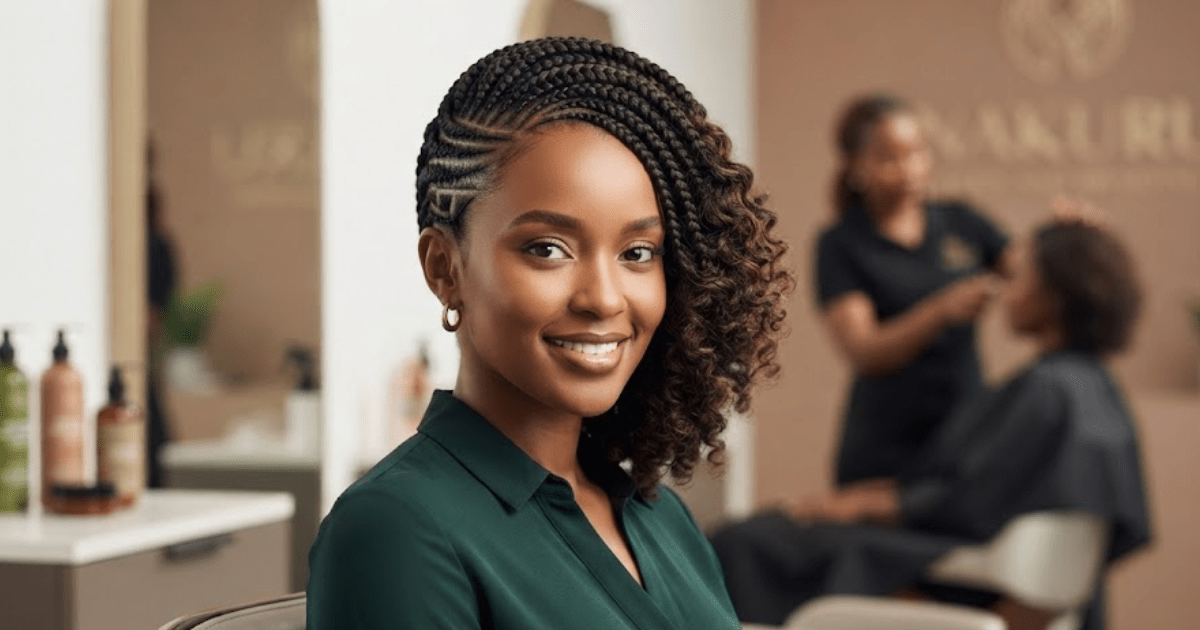
Asymmetrical Hairstyles: Bold, Flattering, and Timeless Choices for Every Face, Age, and Hair Type
When you walk into Nakuru Locks and Braiding at the Mt. Sinai Building on Bazaar Road, the first thing we notice isn’t just your hair texture—it’s the unique architecture of your features.
Every face tells a story through its lines, angles, and natural proportions. For many, that story is beautifully asymmetrical.
In the world of high-end styling, symmetry is often cited as the gold standard of beauty.
However, in our 14 years of professional practice, we have found that true artistic flair lies in the deliberate, sophisticated embrace of asymmetry.
Whether it is a precision-cut bob or a complex, tension-aware braiding pattern, asymmetry is the ultimate tool for visual storytelling.
It isn’t about “fixing” an uneven feature; it is about celebrating the dynamic flow of your personal style.
What Is an Asymmetric Hairstyle?
An asymmetric hairstyle (or asymmetrical haircut) features uneven lengths, angles, or volumes on different sides of the head.
One side might be significantly longer, with diagonal bangs, stacked layers, or a shaved undercut contrasting a longer sweep. It contrasts with symmetrical styles where both sides mirror each other evenly.
This design creates dimension, movement, and visual interest. It can be subtle—a slightly angled bob—or dramatic, like a pixie with one side closely cropped and the other featuring longer, textured top layers.
In locs and braids (popular at our Nakuru salon), asymmetry appears through side-swept starters, comb coils with intentional parting, or two-strand twists that build uneven volume as they mature.
Asymmetry draws from fashion principles: it avoids monotony and highlights unique features.
Professional stylists customize it based on hair texture, density, growth patterns, and face shape for flattering results that grow out gracefully.
Which Hairstyle Suits an Asymmetrical Face?
Most faces have some natural asymmetry—no one is perfectly symmetrical. Asymmetrical hairstyles excel here by using diagonal lines and strategic volume to create balance rather than emphasizing the midline.
Side parts and side-swept styles are often ideal. A deep side part directs hair across the face, softening stronger features on one side and adding illusion of width or length where needed. Asymmetrical bangs or angled layers camouflage unevenness effectively. Avoid a strict middle part if asymmetry is pronounced, as it can highlight differences; however, skilled styling can make it work.
Best approaches:
- Side-swept bangs or diagonal fringes to draw eyes to your best angles.
- Layered asymmetrical bobs or lobs that angle across the face.
- For locs: Side-swept starters with parting that balances proportions.
At Nakuru Locks and Braiding, consultations include face shape analysis. A round face gains length illusion from side sweeps; an oblong face gets width from added volume on narrower sides; square or heart shapes soften with flowing diagonals.
Are Asymmetrical Haircuts Still in Style?
Yes—absolutely. Asymmetrical haircuts remain chic and relevant in 2026, evolving with trends like textured layers, side parts making a comeback, and personalized edge.
They appear in Prada-inspired bobs, asymmetrical pixies, and modern lobs that blend with voluminous side sweeps.
Stylists note their versatility across ages and textures. They offer “effortless chic” that stands out without trying too hard.
While maintenance requires regular trims (every 4-8 weeks), the bold, fashion-forward appeal endures. In loc communities, asymmetrical starters provide unique foundations that mature stylishly.
Is Asymmetrical Hair Attractive?
Yes, asymmetrical hair is highly attractive. While facial symmetry signals health, perfect hair symmetry can appear flat or artificial. Asymmetry adds dynamic interest, texture, and personality that enhances natural features.
Psychology and stylist insights highlight how hair influences perception more dynamically than static symmetry.
Slight imperfections or deliberate asymmetry create “leaky” visual appeal—making faces memorable and unique. Celebrities leverage this for standout looks, and clients report confidence boosts.
It flatters real faces by balancing proportions and conveying creativity. At our salon, asymmetrical styles (including loc variants) help clients embrace individuality, turning potential “flaws” into signature strengths.
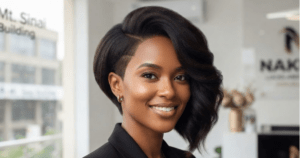
Short Asymmetrical Hairstyles (and Short Asymmetrical Hair Styles)
Short asymmetrical hairstyles deliver maximum impact with minimal length.
Think pixies with one side tapered short and longer, side-swept bangs or top layers; angled bobs (A-line) longer in front on one side; or graduated cuts with stacked backs.
These styles suit fine or straight hair by creating volume illusions through texturizing and layering.
They’re edgy yet professional—perfect for busy lifestyles. In 2026, asymmetrical pixies with geometric details or soft waves remain popular.
Styling tips: Use texturizing spray or paste for hold and movement. At Nakuru Locks, we adapt these for natural textures with coils or twists.
Asymmetrical Hairstyles for Over 50
Asymmetrical hairstyles for women over 50 (or over 60) offer youthful energy without high effort.
Chic options include asymmetrical pixie bobs, angled lobs with soft layers, or feathered crops that frame the face softly while adding lift.
These cuts soften lines, camouflage thinning, and grow out beautifully. Silver or highlighted versions shine with asymmetry—think longer side-swept bangs contrasting shorter sides. They convey sassy confidence and modernity.
Low-maintenance versions use texturizing for wash-and-go appeal. Our Nakuru experts recommend hydrating treatments and gentle techniques for mature hair.
Asymmetrical Hairstyles for Thin Hair
Thin or fine hair thrives with asymmetry. Longer layers on one side, volume at the crown, and strategic sweeps create thickness illusions. Asymmetrical bobs or pixies with razor-cut texture prevent flatness.
For loc starters on thin hair, two-strand twists or interlocking build fullness gradually. Side parts add root lift. Avoid heavy products; opt for lightweight volumizers.
Low Maintenance Asymmetrical Hair Styles
Many asymmetrical styles qualify as low maintenance when tailored properly—especially shorter pixies, textured bobs, or loc starters.
Focus on cuts that grow out evenly with minimal daily styling. Use versatile products like dry texture sprays.
Expect trims every 4-8 weeks. At Nakuru Locks and Braiding, we design for real life: durable, healthy foundations that require little fuss but deliver high style.
Expert Tips from Nakuru Locks and Braiding
Our Mt. Sinai, Bazaar Rd. salon in Nakuru combines trichology knowledge with creative techniques. We customize asymmetrical locs, braids, and cuts for Kenyan and global clients—addressing texture, climate, and lifestyle. Consultations ensure styles enhance your unique beauty.
Maintenance advice: Regular trims, hydration, and protective styles. For locs, proper parting prevents damage.
FAQ
Q: What is an asymmetric hairstyle?
A: Uneven lengths/angles creating dimension and interest.
Q: Which hairstyle suits an asymmetrical face?
A: Side-swept, diagonal, or layered asymmetrical styles for balance.
Q: Are asymmetrical haircuts still in style?
A: Yes, evolving strongly in 2026.
Q: Is asymmetrical hair attractive?
A: Yes—it adds dynamic appeal and confidence.
Q: Best short asymmetrical hairstyles or for thin hair/over 50?
A: Pixies, angled bobs with texture/layers—versatile and flattering.
Q: Low maintenance options?
A: Shorter textured cuts or well-started locs.
Articles from Nakuru Locks and Braiding
Ready to transform?
Visit Nakuru Locks and Braiding or book via Instagram (@nakurulocksandbraidingsalon). Embrace asymmetry that celebrates you—bold, beautiful, and timeless. Your next look awaits.
References
- Hair.com by L’Oréal on trends and care.
- TheHairStyler.com on versatile cuts.
- Latest-Hairstyles and stylist consensus on age-appropriate looks.
- Beauty psychology insights on asymmetry.
Leave a Reply