
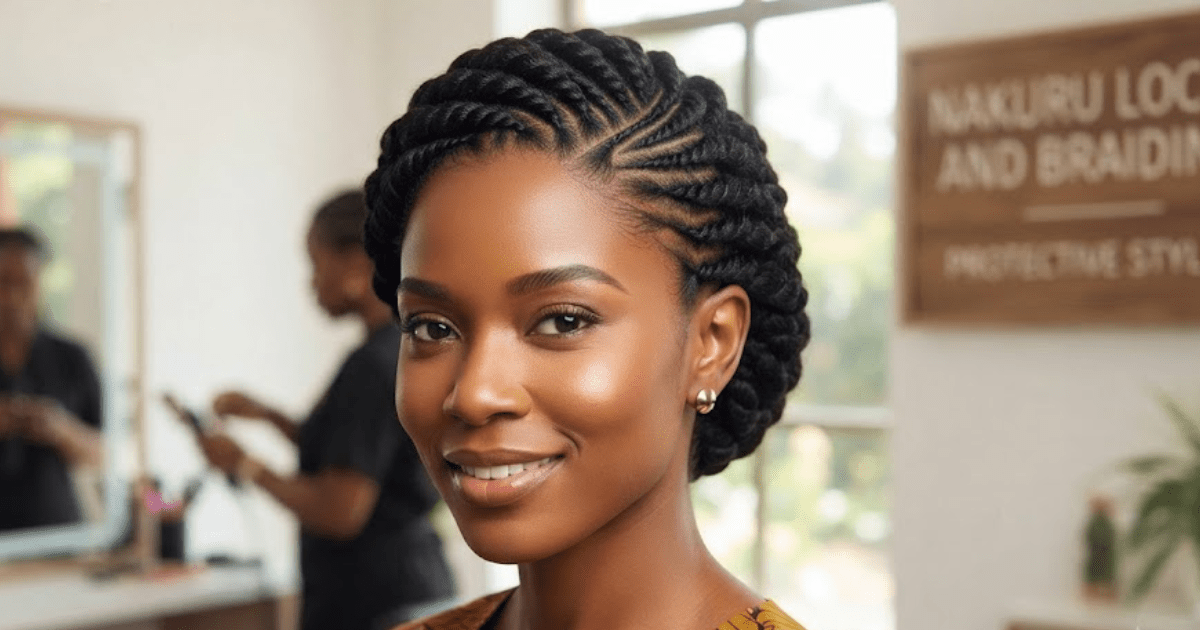
Flat Twists Hairstyles: A Complete Guide for Natural Hair, Locs, Men, Women, and Extensions
Hair is a canvas of identity, culture, and personal expression. Across the globe, from the bustling streets of Nairobi to metropolitan hubs worldwide, the quest for a protective hairstyle that effortlessly balances stunning aesthetics with hair health remains a universal priority.
When a style can carry you from a busy workweek to a wedding, from short coils to long locs, and from a simple low-maintenance look to a sculpted statement updo, it earns its place in the spotlight.
Flat twists are one of those styles: practical, elegant, and deeply rooted in Black hair culture, yet adaptable enough for a global audience looking for protective styling that respects texture and time.
Whether you are looking to give your natural strands a much-needed break from manipulation, define a gorgeous twist-out, or secure a sleek style that transitions seamlessly from the boardroom to a weekend getaway, flat twists offer an unmatched solution.
At Nakuru Locks and Braiding in the heart of Nakuru City, Kenya, we see this transformation daily.
Founded with a passion for celebrating cultural heritage through hair, our team—led by stylists with years of expertise in afrocentric artistry—crafts flat twists that honor texture while delivering modern results.
Whether you’re in East Africa, the diaspora, or anywhere textured hair thrives, flat twists offer a bridge between tradition and everyday practicality.
This guide explores everything about flat twists hairstyles, from the basics to advanced variations, longevity, suitability, and comparisons, all grounded in professional insight and reliable sources.
What Are Flat Twists?
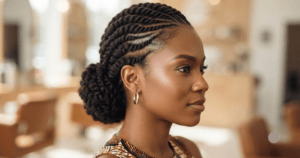
Flat twists are a protective hairstyle created by twisting two strands of hair flat against the scalp in continuous rows, much like cornrows but using a two-strand twisting technique instead of three-strand braiding.
As celebrity hairstylist Camille Friend explains, they involve “twisting sections of hair flat against the scalp, providing a protective style similar to cornrows but instead using a two-strand twisting technique.”
Hairstylist Mitchell Cantrell puts it simply: “Flat twists are kinda like cornrows, but instead of braiding, you’re twisting the hair close to the scalp.”
The result is a sleek, rope-like pattern that hugs the head. Unlike free-hanging two-strand twists, flat twists stay anchored to the scalp, creating a polished base that can stand alone or serve as the foundation for updos, ponytails, or a later twist-out.
This technique has deep roots in African and African-American hair practices, where protective styles have long safeguarded textured hair from environmental stress and excessive handling.
Today, flat twists appeal to a global audience for their relative ease (easier for many to learn than cornrows) and dual purpose: wear them neat, then unravel for defined curls.
How Does a Flat Twist Look?
A finished flat twist presents clean, raised rope-like rows lying flush against the scalp. Partings can be straight-back, side-swept, curved, or patterned into geometric designs, halos, or asymmetrical shapes.
The twists themselves appear smoother and often softer than traditional cornrows because they use only two strands and generally require less tension.
Ends can hang free, be secured into a bun or ponytail, or be left to transition into a full twist-out later.
On short hair the style looks neat and close-cropped; on longer hair it creates elegant length and movement.
With extensions, the look gains volume, length, and color options while still lying flat at the roots.
Flat Twists Natural Hair and Flat Twists for Black Hair
Flat twists excel on natural hair, particularly coily and curly textures common in Black hair (Types 3 and 4).
They stretch the hair gently, reduce daily manipulation, help retain moisture, and minimize breakage and single-strand knots.
On 4C hair, which often holds styles longer due to its tight coil pattern, flat twists can look especially defined and last well with proper care.
The style works beautifully on natural hair because the twisting motion distributes oils along the shaft and keeps ends protected.
Professionals note that flat twists minimize daily handling, lowering the risk of split ends and breakage while supporting overall hair health.
They suit transitioning hair (moving from relaxed to natural) and relaxed textures as well, making them inclusive for diverse Black hair experiences worldwide.

Flat Twists Hairstyles for Short Hair
Short hair is no barrier—flat twists can be highly effective on lengths of a few inches or more. Smaller to medium sections work best for grip and longevity on shorter styles.
Popular looks include upward-directed twists that create volume and face-framing shape, halo styles, or partial flat twists leading into a high puff or short twist-out.
The anchored nature of flat twists makes them more secure on shorter lengths than free-hanging twists.
Many clients with short natural hair choose them precisely because they protect new growth and encourage healthier length retention over time.
Flat Twists Women and Flat Twists Men
Flat twists are wonderfully unisex. For women, they range from everyday sleek rows and elegant updos to intricate patterned designs for special occasions.
They pair well with accessories, beads, or color. For men, flat twists offer a clean, defined alternative to cornrows or free twists—straight-back rows, side designs, or combinations that stay neat under hats or during activity.
The lower tension compared with some braided styles makes them comfortable for active lifestyles.
At Nakuru Locks and Braiding we regularly create flat twist variations for both women and men, adapting parting, size, and direction to face shape, lifestyle, and personal preference.
Flat Twist Hairstyles with Extensions
Adding extensions transforms flat twists into longer-lasting, higher-volume styles.
Synthetic or human hair can be incorporated for length, color, or fullness while the natural hair remains protected at the scalp.
Extensions often extend wear time because the added hair shields the natural strands. Styles can flow from flat-twisted roots into free-hanging twisted or curly ends.
This option is popular for those wanting dramatic length without the full weight or tension of some other protective installs.
Proper installation by experienced stylists ensures the extensions do not pull excessively on the natural hair.
Flat Twists Locs
Flat twists can serve as a foundation or complementary style alongside locs.
They may be used on loose hair surrounding locs, as a temporary protective option during loc journeys, or styled in combination (for example, flat twists leading into or framing established locs).
Some people use flat twists as a gentle way to manage hair while locs mature. The low-tension approach complements the careful handling required for healthy loc maintenance.
How Long Will Flat Twists Last? / How Long Do Flat Twists Last?
Longevity depends on hair texture, size of the twists, whether extensions are used, climate, activity level, and maintenance.
Without extensions, flat twists typically last from a few days to about two weeks, sometimes up to three weeks with excellent care—especially on tighter coily textures like 4C.
Smaller twists and those done on dry, well-detangled hair tend to hold longer. With extensions, they can last longer still.
New growth will eventually loosen the style at the roots. Nightly protection with a satin or silk scarf or bonnet, light moisturizing of the scalp and twists, and avoiding excessive manipulation help maximize wear.
Once the style softens, many people unravel it for a beautiful twist-out that can last several more days.
Are Flat Twists Good for Hair Growth?
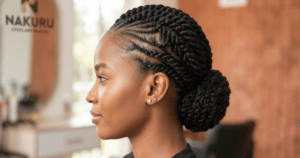
Flat twists do not speed up the biological rate of hair growth (typically around half an inch per month), but they strongly support length retention.
By reducing daily brushing, combing, and styling stress, protecting the ends, and helping maintain moisture, they minimize breakage—the primary reason many people fail to see length.
Protective styles like flat twists create an environment where hair can rest and thrive.
Consistent use combined with good nutrition, gentle cleansing, and regular deep conditioning often leads to visible length gains over months.
Are Flat Twists Better Than Cornrows?
Neither is universally “better”—it depends on goals, hair type, and preference. Flat twists use two strands and generally require less tension and precision, making them quicker and gentler on sensitive scalps or fine/fragile hair.
They often feel softer and transition beautifully into a twist-out. Cornrows (three-strand) tend to hold tighter and longer, offering a sharper, more structured look ideal for very active lifestyles or as a firm base for wigs.
Many stylists and clients find flat twists more beginner-friendly and lower-tension, while cornrows excel in longevity and bold definition.
Trying both helps determine what works best for an individual’s hair and lifestyle.
How Many Types of Twists Are There?
Twists come in many forms. Core natural-hair versions include:
- Two-strand twists (free-hanging)
- Flat twists (scalp-anchored)
- Mini twists (very small)
- Rope twists (each strand pre-twisted before combining)
With extensions or specific techniques you also find Senegalese twists, Marley twists, Havana/passion twists, jumbo twists, and others.
Flat twists specifically blend the protective, scalp-hugging quality of cornrows with the two-strand method.
Understanding these distinctions helps choose the right style for the desired look, longevity, and hair needs.
What Hair Types Are Suitable for Flat Twists?
Flat twists suit a wide range of textures, especially curly and coily hair (Types 3 and 4), where the natural grip helps the style hold.
They work on natural, relaxed, and transitioning hair, and on various lengths (with short hair benefiting from smaller sections).
Fine or fragile hair often prefers the lower tension of flat twists over tighter braids. Looser textures may need more product or careful sectioning for hold.
Professional assessment at a salon like Nakuru Locks and Braiding ensures the size, tension, and product choice match the individual’s hair type for comfort and longevity.
Caring for Flat Twists and Creating a Twist-Out
After installation, keep the scalp clean with diluted shampoo or a light spray, moisturize gently, and protect at night with satin.
Avoid heavy products that cause buildup. When ready to take the style down, carefully unravel section by section for a defined twist-out.
The resulting curls often show excellent definition and reduced frizz because the flat-twist method elongates and sets the pattern from root to end.
Why Choose Flat Twists at Nakuru Locks and Braiding?
Our stylists emphasize gentle tension, precise parting, and moisture-focused preparation so clients leave with healthy, beautiful results.
We serve women and men, short and long hair, natural and with extensions, always prioritizing scalp comfort and cultural pride.
Located at Mt. Sinai Building, Bazaar Road, Nakuru City, we welcome clients seeking authentic afrocentric care.

FAQ
What are flat twists?
Two-strand twists done flat against the scalp, similar to cornrows but using a twisting rather than braiding technique.
How long do flat twists last?
Typically 1–2 weeks (up to 3 on some textures) without extensions; longer with added hair and good care.
Are flat twists good for hair growth?
They support length retention by reducing breakage and manipulation, though they do not change the growth rate itself.
Are flat twists better than cornrows?
They are often gentler and quicker with a softer finish and excellent twist-out potential; cornrows may last longer and look more structured. Choice depends on individual needs.
What hair types work best?
Especially curly and coily natural hair (Types 3–4), but suitable for many textures and lengths with proper technique.
Can men wear flat twists?
Absolutely—clean, defined styles work well for men of various hair lengths and lifestyles.
Do flat twists work on short hair?
Yes; smaller sections and strategic direction create neat, protective looks.
Related Articles from Nakuru Locks and Braiding
Explore more protective and cultural styles on our site:
Flat twists embody the best of protective styling: accessible technique, cultural resonance, and real results for healthier, more beautiful hair.
Whether you’re seeking everyday ease, a special-occasion look, or a path to better length retention, this style delivers.
Book your appointment at Nakuru Locks and Braiding—WhatsApp or call +254 723 168 188—and experience the difference of expert, caring hands that celebrate your unique texture. Your next favorite hairstyle is waiting.
References
- InStyle: Expert interviews on flat twists technique and benefits.
- Byrdie: Professional step-by-step guidance and protective styling insights.
- Coils and Glory and similar natural-hair resources: Real-world longevity and 4C hair experiences.
- Wikipedia (Hair twists): Cultural and technical overview of twist styles.
- Professional stylists and trichology principles on protective styling and traction awareness.
Leave a Reply