
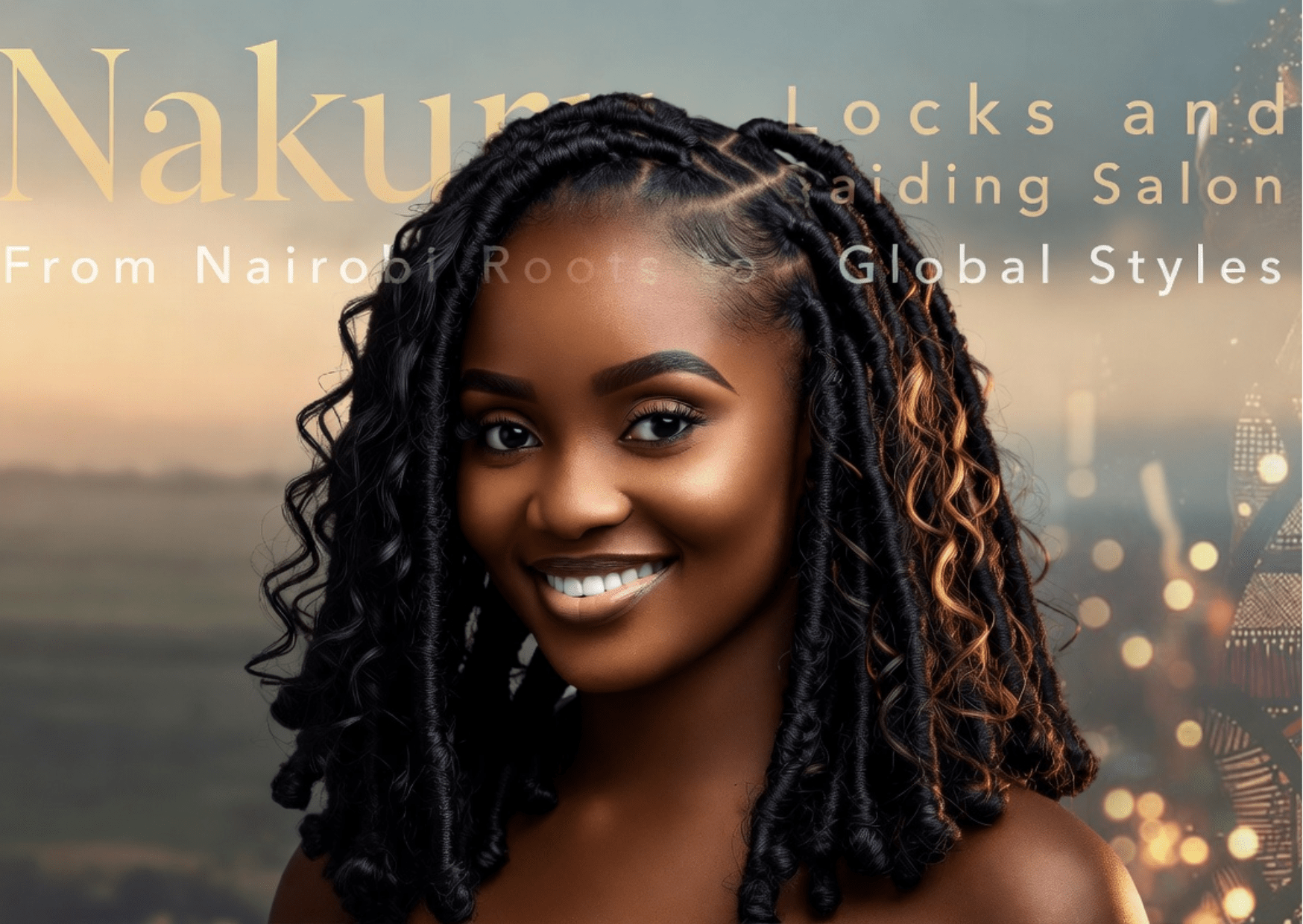
The Art of the Twist: The Ultimate Guide to Braided Locs and Faux Locs Styling
From the vibrant streets of Nairobi to the high-fashion runways of Paris and the cultural hubs of Brooklyn, hair is far more than a biological feature—it is a canvas of identity, a rhythmic expression of heritage, and a testament to personal evolution.
At Nakuru Locks and Braiding Salon, we believe that every strand tells a story. Whether you are embarking on a lifelong journey with traditional dreadlocks or seeking the temporary allure of faux extensions, the intersection of braiding and locing offers a world of versatility.
In this comprehensive guide, we delve deep into the technical and aesthetic nuances of braided locs, braided faux locs, and the intricate styles that define modern textured hair artistry. Whether you’re looking for “Pop Smoke” inspired patterns or the classic elegance of locs braided back, here is everything you need to know about mastering this timeless craft.
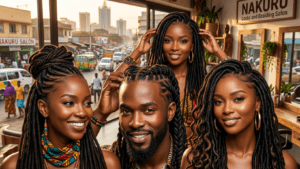
Understanding the Foundation: What Are Braided Locs?
To the uninitiated, the terminology can be a labyrinth. However, understanding the distinction is crucial for hair health and styling expectations.
Braided Locs vs. Braided Faux Locs
Braided Locs refer to the process of taking mature, established dreadlocks and braiding them together. This is a styling technique used to manage the volume of the hair, protect the ends, or create a specific aesthetic.
Braided Faux Locs, on the other hand, are a protective style where extensions (usually synthetic or human hair) are used to mimic the appearance of real locs. These are often installed by braiding the natural hair first and then wrapping the extension hair around the braid. According to Trichology Studies on Protective Styling, faux locs serve as an excellent transitional style for those considering permanent locs but who aren’t ready for the commitment (Source: Journal of Cosmetic Science).
The Technical Difference Between Locs and Braids
While they often share the same space in the “protective style” category, locs and braids are fundamentally different in their structure:
-
Locs (Dreadlocks): These are formed through a process of “matting” or “locking” the hair. Over time, the hair strands fuse together to create a solid, rope-like structure. It is a permanent journey of hair maturation.
-
Braids: These are created by intertwining three or more strands of hair in a specific pattern. Braids are temporary and are meant to be taken down after a few weeks to allow the hair to be thoroughly cleansed and detangled.
Janice: “I spent years thinking I had to choose between the two. When the stylists at Nakuru showed me I could braid my locs for a wedding, it changed my entire perspective on versatility!”
Exploring Braided Locs Styles: From Classic to Contemporary
The beauty of locs lies in their adaptability. Once the hair has matured, it can be manipulated into almost any shape imaginable. Here are the most sought-after braided dreads hairstyles currently trending globally.
1. Dreadlocks Braided Back
This is the quintessential professional look. By taking individual locs and cornrowing them toward the nape of the neck, you create a sleek, structured silhouette. This style is particularly effective for those with long locs who want to keep hair out of their face while maintaining a polished appearance.
2. Pop Smoke Braids Dreads
Inspired by the late rapper Pop Smoke, this style features thick, distinct cornrows with a signature middle part and symmetrical curved parts on the sides. While originally popularized with natural hair braids, the Pop Smoke braids dreads adaptation involves using mature locs to recreate these bold, chunky lines. It’s a high-impact, masculine-leaning style that has gained massive popularity in urban fashion circles.
3. Braided Dreads: Two Braids
Simple, clean, and iconic. Often referred to as “Viking locs” or “Double Dutch locs,” this involves splitting the hair down the middle and creating two large braids using the locs. This is an excellent “gym-friendly” style or a way to show off the length and thickness of your hair without it being loose.
4. Dreads Braided Down the Side
For those who prefer an asymmetrical, edgy look, dreads braided down the side offers a “side-shave” illusion without the commitment of a buzzer. Locs are tightly braided on one side of the head, allowing the remaining locs to fall freely over the opposite shoulder.
5. Braided Locs Cornrows
Unlike the “braided back” look, braided locs cornrows can involve intricate geometric patterns, swirls, and varying thicknesses. This technique is often used as a foundation for “Braid over locs” styling, ensuring the weight of the locs is distributed evenly across the scalp to prevent tension.
The “Braid on Locs” Technique: Why It Matters
You might ask: Why would someone braid over their locs? The braid on locs or braid over locs technique serves several functional purposes beyond just looking great:
-
Texture Definition: When you braid locs and leave them for a few days, taking them down results in “crinkled” or “waved” locs, adding a new dimension of texture.
-
Weight Management: Long, heavy locs can pull on the scalp. Braiding them together into larger units reduces the individual “tug” on the follicles.
-
Protection: It keeps the ends of the locs from rubbing against clothing, which can cause thinning or lint buildup.
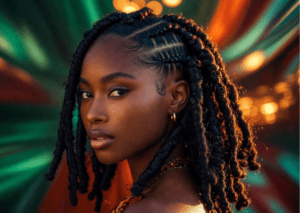
The Rise of Braided Faux Locs
For our clients who love the look of locs but enjoy the ability to change their hair every month, braided faux locs are the answer.
Modern techniques have evolved beyond the heavy, stiff versions of the past. At Nakuru Locks and Braiding Salon, we utilize “tensionless” methods. We start with a base of natural hair braids—often using the braid on locs methodology for those with thinning hair to provide more volume—and then wrap them with high-quality Marley hair or human hair blends.
Pro Tip: If you want a more bohemian look, ask for “Goddess Faux Locs,” which incorporate wavy tendrils at the ends of the braided locs.
Expert Care for Your Braided Styles
As leaders in the industry, our expertise at Nakuru Locks and Braiding Salon is backed by years of observing hair behavior. Maintaining the integrity of the hair while it is braided is paramount.
Scalp Health
Whether you have braided dreads two braids or complex cornrows, the scalp must remain hydrated. We recommend a light, non-comedogenic oil or a rose-water spray. Avoid heavy greases that can get trapped inside the locs, leading to “build-up”—a common issue that can cause odors and weighing down of the hair.
Tension Warning
One of the risks of braid over locs styling is “Traction Alopecia.” If the braids are too tight, especially around the hairline, it can cause permanent hair loss. Our stylists are trained to prioritize “comfort over tightness.” If it hurts, it’s too tight.
Janice: “I used to think my locs were thinning because of age, but my stylist at Nakuru realized it was because I was braiding them back too tightly. They saved my edges!”
Comparison Table: Locs vs. Braids at a Glance
| Feature | Permanent Locs | Temporary Braids | Faux Locs (Extensions) |
| Commitment | High (Permanent) | Low (4–8 weeks) | Moderate (6–10 weeks) |
| Maintenance | Monthly retwists | Daily hydration | Minimal |
| Versatility | Can be braided/styled | Can be redone often | Mimics locs without wait |
| Best For | Cultural/Long-term identity | Style experimentation | Testing the “loc look” |
FAQ: Everything You’ve Been Asking
Can you braid short dreads?
Yes! Even short “starter locs” can be styled into braided locs cornrows. However, we recommend waiting until the hair is at least 3-4 inches long to ensure the braids don’t put too much stress on the developing loc.
How long do braided loc styles last?
Typically, a dreadlocks braided back style can last 2 to 4 weeks. We don’t recommend keeping them in longer, as the hair needs to be “let down” to prevent the locs from actually fusing together into one giant braid.
Are Pop Smoke braids for dreads different from regular braids?
The technique is similar, but because locs are thicker than loose hair, the “Pop Smoke” look on dreads appears much more three-dimensional and textured. It requires an experienced stylist to ensure the parts remain clean despite the bulk of the locs.
Is “braid on locs” the same as “twisting”?
No. Twisting (or retwisting) is the maintenance of the root. Braid on locs is the styling of the length of the hair. You usually retwist the roots first and then braid them.
Why Choose Nakuru Locks and Braiding Salon?
Located at the heart of the community, Nakuru Locks and Braiding Salon isn’t just a place to get your hair done—it’s an institution of hair health. We specialize in everything from the initial locking process to the most complex braided dreads hairstyles. Our stylists stay updated on global trends while respecting the traditional roots of African hair artistry.
Read More from Our Experts:
Final Thoughts
The world of braided locs is a beautiful fusion of tradition and trend. Whether you are rocking braided dreads two braids for a casual weekend or choosing the intricate detail of braided locs cornrows for a formal event, your hair is an extension of your spirit.
At Nakuru Locks and Braiding Salon, we are here to ensure that journey is healthy, stylish, and uniquely yours.
Sources
-
The American Academy of Dermatology (AAD): On the prevention of Traction Alopecia in braided styles.
-
The Trichological Society: Insights into the structural integrity of matted (loc’d) hair fibers.
-
Journal of Ethnic Hairstyling: A historical overview of the cultural significance of dreadlocks in the African Diaspora.
-
“Hair Story: Untangling the Roots of Black Hair in America” by Ayana Byrd and Lori Tharps (Reference for the evolution of the “Pop Smoke” and modern braiding trends).
Leave a Reply