
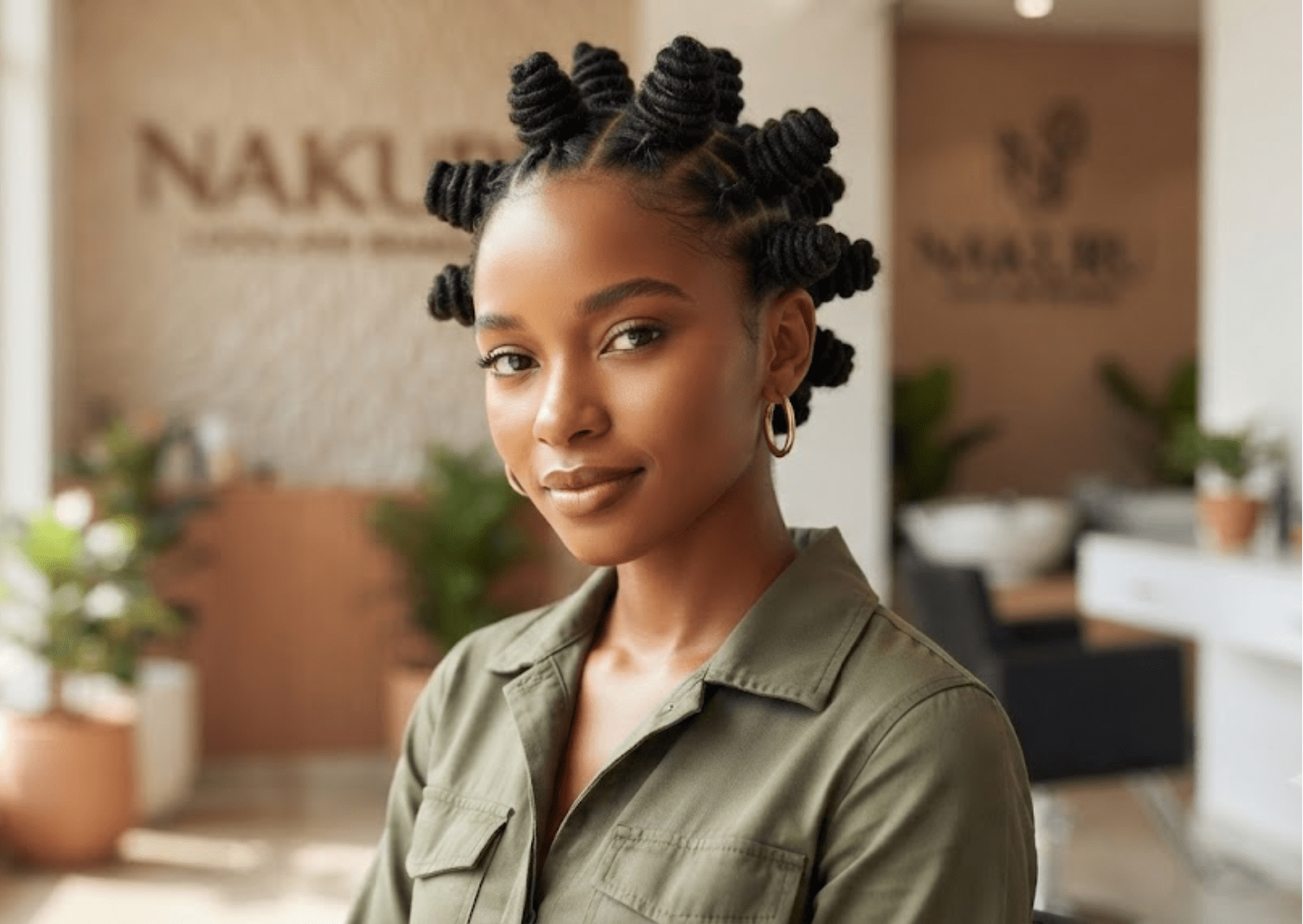
Bantu Knots with Emerging Locs: A Stylish, Protective Look for Natural Hair, Locs, and Braids
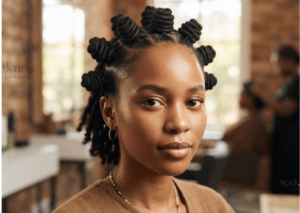
Bantu knots with emerging locs are one of those rare styles that feel timeless, protective, and creative all at once.
For anyone growing locs, transitioning from loose natural hair, or looking for a fresh textured updo, this style offers definition, versatility, and a strong visual statement.
Bantu knots are traditionally a coiled section style rooted in African heritage, and today they are worn across natural hair, braids, locs, and even straightened textures.
On emerging locs, they can create a neat sculpted look while also helping you switch up your routine without losing the character of your loc journey.
What Are Bantu Knots? A Cultural and Styling Staple
Bantu knots (also called Nubian knots or Zulu knots) originated among Bantu-speaking peoples in southern Africa.
Sections of hair are parted, twisted or braided, and wrapped into tight coils or “knots” close to the scalp.
The result is a sculptural updo that’s both protective and artistic.
- Bantu knots on natural hair: Ideal for 4c, 4b, or coily textures, they define curls without heat.
- Bantu knots hairstyle with attachment: Extensions or braids can be added for length or volume.
- Bantu knots with braids: Combine knot bases with braided accents for intricate looks.
- Bantu knots with bangs: Frame the face with loose or knotted fringe for a modern twist.
This style transcends trends. It’s wearable for everyday, special occasions, or as a low-manipulation protective style.
Why Bantu Knots With Emerging Locs Work
Emerging locs are still in the early stage, which means they are usually shorter, softer at the roots, and more flexible than mature locs.
That flexibility makes Bantu knots a practical and stylish option because the hair can be wrapped, tucked, and pinned into compact shapes more easily than longer, heavier locs.
This style is also useful for people who want a polished protective look without wearing the same two-strand twists or simple updos every week.
Bantu knots on emerging locs can be worn for work, events, photoshoots, casual days, and special occasions, depending on how tight, large, or decorative you make them.
Bantu Knots with Emerging Locs: The Perfect Partnership
Emerging locs refer to the early stages of loc development—typically the budding or starter phase where hair begins to coil and mature naturally.
Pairing Bantu knots with emerging locs creates definition, encourages uniform locking, and protects fragile new growth.
Key benefits for loc wearers:
- Defines and sets the loc pattern.
- Minimizes frizz and tangling during the awkward budding phase.
- Allows easy styling while locs mature (usually 6–18 months).
- Creates beautiful curls or waves when taken down (Bantu knot-out on locs).
Bantu knots on locs or locs with Bantu knots at the end work beautifully. For medium or microlocs, small knots add texture; larger ones suit thicker traditional locs.
Bantu knots with dreadlocks or Sisterlocks follow similar principles—adapt section size to loc thickness.
Half up half down Bantu knots with locs offer versatility: knot the crown or top for height, leave the rest loose or in a ponytail. This is popular for “Bantu knots hairstyle half up half down” searches.
Variations include:
- Bantu knots with emerging locs natural hair: Pure coils for authenticity.
- Bantu knots with emerging locs straight hair: Possible with texturizing or for relaxed/transitioning hair, though best on textured hair.
- Bantu knots with locs half up half down: Elegant and practical.
- Add curls, beads, or accessories for flair.
What Do Bantu Knots Do to Your Hair?
Bantu knots are a protective style that reduces manipulation, shields ends, and retains moisture.
Key effects:
- Promotes length retention: Less breakage means retained length over time.
- Defines curls: Overnight or multi-day knots yield bouncy knot-outs.
- Scalp health: Allows breathing room and easy access for cleansing.
- Versatility: Wear knotted for days, then unravel for volume and definition.
- For locs: Helps train and mature coils uniformly.
They suit most hair types but shine on Afro-textured hair (3c–4c). Anyone can wear them—men, women, children, all ages and textures—with proper care. Cultural appreciation and respect for origins are key.
How to Do Bantu Knots with Emerging Locs (Step-by-Step)
To create Bantu knots with emerging locs, start with clean, moisturized hair.
Light hydration helps reduce frizz and makes the sections easier to manipulate, but the hair should not be so wet that it slips out of place.
Loc styling guides also recommend not twisting too tightly and keeping the hair moisturized before styling.
Follow these steps:
Tools needed: Wide-tooth comb, sectioning clips, loc-friendly gel or cream (light hold), water spray, satin scarf/bonnet.
1. Prep: Cleanse and moisturize locs. Work on damp or dry hair.
2. Section: Part into squares or triangles (smaller for more knots, larger for fewer).
3. Twist or braid: Two-strand twist each section (or braid for added hold). For emerging locs, twist gently to avoid stress.
4. Form the knot: Wrap the twist around its base in a coil. Secure with a soft elastic, pin, or tuck the end (no tight bands on new locs).
5. Repeat: Cover the head. For bangs or half-up styles, leave sections free.
6. Set: Air dry or sit under a dryer. Sleep with a satin bonnet.
7. Unravel (optional): For Bantu knot-out curls, gently unravel after 1–3 days. Fluff and separate for volume.
On 4c hair: Use smaller sections and more product for definition. Start with stretched or unstretched hair depending on desired tightness.
Tips for emerging locs: Avoid excessive tension. Use lightweight products like aloe or light creams. Consult professionals at Nakuru Locks and Braiding for personalized advice.
Duration: 3–7 days as a style; refresh edges as needed.
Bantu Knots On 4C Hair
Bantu knots on 4C hair are one of the most natural matches for this style because the texture tends to hold shape well and creates a beautiful knot-out afterward.
The key is moisture, section control, and patience. Hair that is too dry can frizz, while hair that is overloaded with product can become slippery.
For 4C hair, many stylists recommend working with stretched hair or freshly moisturized hair that has a light cream or styling gel for hold.
Smaller sections also make the knots more defined and longer-lasting. The result can be a sleek look on day one and defined curls or waves after taking the style down.
Bantu Knots Styles and Variations
- Bantu knots hairstyle pictures: Geometric patterns, mohawks, or creative placements.
- Bantu knots with curls: Set knots, unravel for defined curls on locs.
- Bantu knots styles: High buns, side parts, or full coverage.
- With attachments: Crochet or braided extensions for fullness.
- For black hair: Endless options—add color, beads, or wraps.
Locs-specific: Boho styles with loose ends, mini knots, or combined with braids.
Who Can Wear Bantu Knots?
Everyone! From toddlers to elders, across genders and ethnicities. They’re especially empowering for natural hair journeys, loc wearers, and those embracing African heritage. Proper technique ensures comfort and health for all.
Step-By-Step Styling Tips
A good Bantu knot set starts before the first section is wrapped. Clean hair, proper parting, and a light hold product make the style last longer and look smoother.
Helpful tips:
-
Use a rat-tail comb for clean parts.
-
Keep section sizes consistent.
-
Avoid overloading the hair with heavy products.
-
Secure the ends carefully so the knot does not unravel.
-
Sleep with a satin bonnet or scarf to preserve the style.
If you are styling emerging locs, work gently around the roots. Too much tension can cause discomfort and may weaken delicate new growth.
Maintenance and Care at Nakuru Locks and Braiding
Our experts recommend:
- Moisturize daily (water + oil or cream).
- Gentle cleansing without disturbing knots.
- Satin protection at night.
- Professional retwisting/maintenance every 4–8 weeks for locs.
We specialize in starter locs, maintenance, and creative styles like Bantu knots.
FAQ: Bantu Knots with Emerging Locs
How long do Bantu knots last on locs?
3–7+ days, depending on hair type and activity. Refresh with misting.
Can I do Bantu knots on straight hair?
Yes, but results vary. Texturizing helps achieve coils.
Are they good for hair growth?
Indirectly—by reducing breakage and manipulation.
Do they hurt?
Tight knots may; opt for looser wraps and proper tension.
How to do on short emerging locs?
Smaller sections and patience. Great for beginners.
Bantu knots vs. twists?
Knots create more defined, sculptural curls when unraveled.
Related Articles from Nakuru Locks and Braiding:
Ready to embrace Bantu knots with your emerging locs? Visit Nakuru Locks and Braiding for expert styling, consultations, and products tailored to your journey. Whether in Kenya or seeking virtual guidance, let us help you shine. Your crown deserves the best care and celebration.
References
- Cultural origins tied to African traditions (Zulu/Bantu peoples).
- Modern insights from natural hair educators and loc specialists.
Leave a Reply