
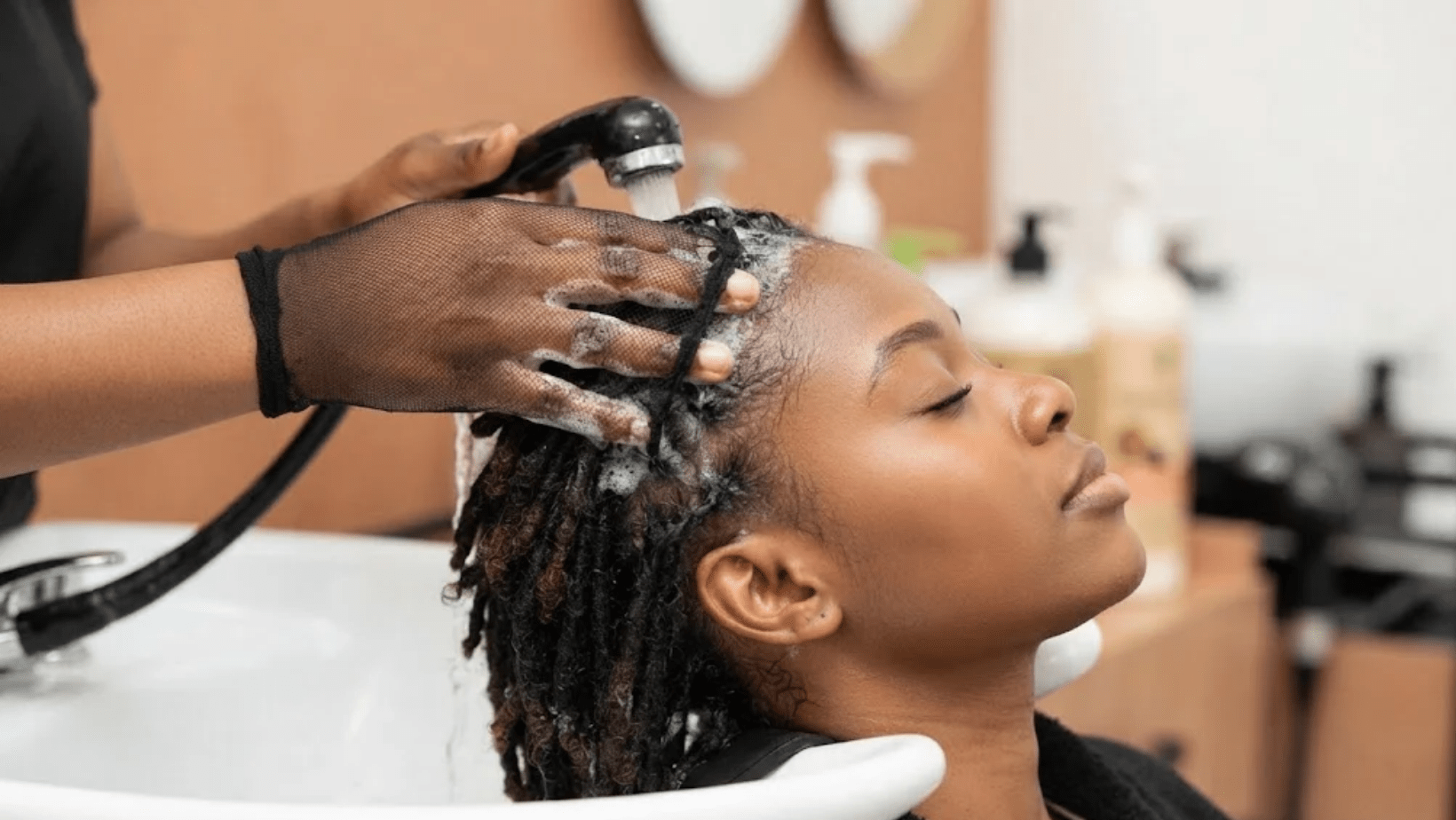
How to Wash Starter Locs Without Unraveling Them: The Complete Global Guide
Somewhere between the salon chair and the mirror, every new loc client asks the same nervous question: “Can I actually wash these without ruining them?” It’s a fair worry.
You’ve just spent hours — sometimes an entire day — getting your hair sectioned, twisted, or interlocked into starter locs, and the idea of water and shampoo undoing that work feels risky.
From Nakuru to Nairobi, London to Los Angeles, this single fear stops more people from washing their hair than almost any other loc-related myth.
The truth, backed by locticians, dermatologists, and years of documented loc journeys shared across YouTube and Reddit, is that washing starter locs is not the enemy. Washing them incorrectly, or at the wrong time, is.
At Nakuru Locks and Braiding, we see this question daily from clients starting their loc journey, and this guide brings together the techniques, timelines, and product choices that actually protect your new locs while keeping your scalp clean and healthy.
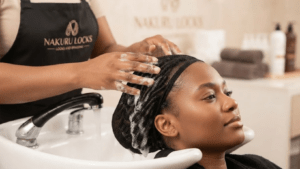
Why Starter Locs Unravel in the First Place
Starter locs — whether created with two-strand twists, comb coils, interlocking, or braids — are held together purely by tension and the natural coiling of your hair. There’s no adhesive, no lock of keratin yet, just the physical wind of the strands.
Vigorous scrubbing, hot water pressure, and heavy conditioners can loosen that tension before your hair has had a chance to begin the felting process that eventually locks the strands permanently together.
Starter locs, sometimes called baby locs, describe the initial stage after dreadlocks have first been installed, and this phase typically lasts anywhere from three to six months depending on hair type and installation method.
During this window, your locs are at their most fragile, which is exactly why so many people search for “how to wash starter locs without unraveling them” on YouTube, Reddit, and Google before they ever attempt a first wash.
When to Wash Starter Locs for the First Time
This is the most searched — and most debated — question in the loc community. Locticians generally agree that new locs need time to settle before they meet water and shampoo.
Many locticians advise waiting about two weeks before the first wash, after which weekly washing can typically resume. Other professionals recommend a longer runway.
The proper time to wash starter locs actually depends on several factors, including your specific hair type, the method used to create the locs, and personal hygiene needs — meaning there’s no single universal number of days that applies to everyone, whether you’re male, female, have coarser or curlier hair, or installed your locs with a professional loctician versus doing it yourself at home.
If you’re asking “can I wash my starter locs after one week” or “after two weeks,” the honest answer is: it depends on how well your particular locs have held their twist.
Looser, larger starter locs (like two-strand twists) generally need more patience than tighter interlocked or comb-coil locs, which can sometimes tolerate an earlier first wash because the strands are more tightly bound.
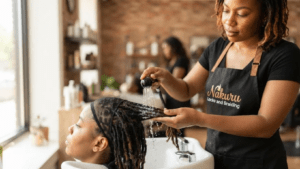
Do Washing Starter Locs Actually Help Them Lock?
Yes — and this surprises a lot of new loc wearers who’ve heard the opposite. Residue buildup on locs is a major cause of frizz, dryness, and a general lack of definition, all of which actually slow the locking process rather than helping it.
A well-formulated shampoo removes dirt, buildup, and styling product residue that can hinder locking, keeping the hair and scalp clean and creating an optimal environment for locs to form and mature.
In other words, dirty hair does not lock faster. Clean, properly dried hair with balanced moisture is what allows the individual strands within each loc to knot and felt together over time.
What helps locs lock faster isn’t avoiding water altogether — it’s:
- Using a residue-free, sulfate-free shampoo so nothing coats the hair shaft and prevents strands from gripping each other
- Drying locs completely after every wash (a damp loc is a breeding ground for mildew and odor, and it also delays the locking process)
- Retwisting or palm-rolling roots on a consistent schedule
- Avoiding heavy oils, butters, and waxes that soften and slick the hair rather than letting it grip
How to Wash Starter Locs Without Unraveling Them: Step-by-Step
Whether you’re washing at home for the first time, following a YouTube tutorial, or replicating advice you saw on Reddit, the core technique is consistent across nearly every credible source.
1. Dilute your shampoo
Locticians commonly recommend using a spray bottle to dilute shampoo before applying it to starter locs, directing the product straight to the scalp so you don’t have to overwork the hair to work up a lather. This single trick prevents most of the rubbing and twisting motion that causes unraveling.
2. Focus on the scalp, not the length of the locs
When washing starter locs, the focus should stay on gently massaging the scalp with your fingers rather than washing the entire head of hair all at once.
Your scalp produces the oil and sweat that needs regular removal; the locs themselves need far less agitation.
3. Wash in sections
One effective method is to wash loose starter locs section by section rather than all together, then allow them to dry fully before retwisting any ends that have loosened. This is especially useful for medium or smaller starter locs that began as twists or braids.
4. Consider a stocking cap or wig cap
This is the single most-searched solution for washing starter locs without unraveling, and for good reason.
Wearing a mesh stocking cap over your locs lets you shampoo your scalp safely — you simply put the cap on, apply shampoo on top of it, work it in, and rinse before removing the cap and drying your hair.
The mesh is porous enough for water and shampoo to reach the scalp while holding every loc firmly in place, which is why it’s a favorite technique among locticians filming wash-day tutorials for YouTube and TikTok.
5. A durag or wig cap as an alternative
Some locticians prefer a wig cap specifically because it can hold everything in place while still being penetrable enough for soap and water to reach the scalp, reducing the risk of unraveling.
A durag can serve a similar protective purpose, especially for shorter starter locs, though a mesh design will always rinse cleaner than a solid durag fabric.
6. Squeeze, don’t scrub, buildup out of individual locs
If you notice heavy buildup, gently squeeze individual locs to work the product through, being careful not to unravel them in the process. Never twist or wring locs the way you would a regular section of loose hair.
7. Skip the conditioner, or use it sparingly
Conditioner is designed to soften and smooth hair after shampooing, but that thick texture can cause buildup inside locs, and because starter locs actually benefit from resisting softness rather than embracing it, many people in the loc community choose to skip conditioner altogether or use it very lightly.

What to Do After Washing Your Locs
Getting the wash right is only half the job — what happens next determines whether your locs stay neat or need heavy retwisting.
1. Dry completely, and avoid heat. Using heat to dry starter locs can dry them out and cause damage or breakage, so air-drying is the safer route even though it takes longer.
2. Retwist loosened ends only. It’s normal for locs to unravel slightly at the ends and near the scalp after washing, and while it’s fine to retwist those loose ends, you should be careful not to over-twist at the root.
3. Schedule your retwist soon after washing. Getting a retwist shortly after washing starter locs is recommended because it also encourages further shrinkage and tightening as the locs mature.
4. Apply a light, loc-safe oil to the scalp only — not the locs themselves — to control itching and flaking without softening the hair shaft.
How Long Should You Go Without Washing Starter Locs?
Once you’re past the initial waiting period, the goal shifts from “how do I avoid unraveling” to “how do I keep my scalp healthy without overdoing it.”
Washing roughly every 30 days strikes a balance that keeps locs clean without excessive buildup from products, lint, and daily debris, while also limiting how often you need to retwist and over-manipulate new growth.
That said, scalp health should always take priority over a rigid schedule. This is where dermatology research becomes genuinely useful rather than anecdotal.
Dermatologists note that many people with textured hair wash infrequently to protect against breakage, but underwashing can actually cause scalp folliculitis, itchy scalp, seborrheic dermatitis, and even hair loss traced directly to buildup of oil and sebum on the scalp.
For patients dealing with these chronic scalp issues, increasing hair washing to two or three times a week — using sulfate-free shampoo applied to the scalp rather than lathered through the full length of hair — can help prevent these problems without compromising hair integrity.
The takeaway:
don’t let fear of unraveling push you into a wash schedule that damages your scalp. A stocking cap, sectioned wash, or diluted-shampoo scalp massage lets you wash as often as your scalp genuinely needs, not just as infrequently as loc anxiety demands.
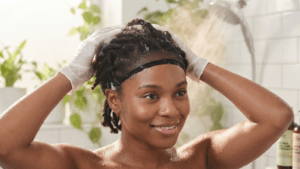
When Should You Wet Your Starter Locs?
Outside of scheduled wash days, starter locs should generally stay dry. Frequent wetting — whether from workouts, swimming, or rain — without proper drying afterward can weaken the twist and invite mildew or a musty odor known in the loc community as “loc rot.”
If your locs do get wet unintentionally (sweat, a sudden downpour, a swim), the fix is the same as after a wash: dry them thoroughly, ideally with a microfiber towel followed by air drying, and avoid tying them up while damp.
Do’s and Don’ts With Starter Locs
Do:
- Wait at least two to four weeks before your first wash, adjusting based on your loc method and hair texture
- Dilute shampoo in a spray bottle and focus on the scalp
- Use a mesh stocking cap, wig cap, or durag for extra security while washing
- Dry locs completely — squeeze with a microfiber towel, then air dry or sit under a hooded dryer
- Retwist loosened ends promptly, but never over-twist the roots
- Sleep with a satin bonnet or on a satin pillowcase to reduce friction
Don’t:
- Scrub or wring your locs like loose hair
- Use heavy oils, creams, or waxes on new starter locs — they slick the hair and slow locking
- Use heat tools to speed up drying
- Ignore your scalp for a month or more if it’s itchy, flaking, or irritated
- Retwist so frequently that you thin out the new growth at the root

FAQ: How to Wash Starter Locs Without Unraveling Them
How to wash starter locs without unraveling at home?
Section your hair, dilute shampoo in a spray bottle, focus on massaging the scalp rather than the loc lengths, and consider a mesh stocking cap for extra hold. Rinse gently and dry completely before retwisting loosened ends.
How long should I wait before washing starter locs?
Most locticians suggest a minimum of two weeks, though some recommend waiting three to four weeks depending on your loc method and how well your twists are holding. Tighter methods like interlocking may tolerate an earlier wash than looser two-strand twists.
Can I wash my starter locs after one or two weeks?
It’s possible, but it depends heavily on your specific locs. If your twists still feel loose or unraveled at the ends, waiting a bit longer is safer. If they feel firm, a gentle, scalp-focused wash at the two-week mark is generally considered acceptable.
Does washing starter locs help them lock?
Yes. Removing dirt, sweat, and product buildup creates a cleaner environment for strands to felt and knot together. Buildup, not washing, is what actually slows the locking process.
What helps locs lock faster?
Consistent, gentle washing with a residue-free shampoo, thorough drying after every wash, regular retwisting, and avoiding heavy, slick products on the hair shaft.
How to wash starter locs with a stocking cap?
Put the mesh stocking cap on first, apply diluted shampoo directly on top of the cap, work it in with your fingers, then rinse thoroughly before removing the cap and air-drying your locs.
How to wash starter locs with a durag?
Similar to a stocking cap: wear the durag snugly over your locs, apply shampoo over the fabric, massage gently, and rinse. A durag offers slightly less water penetration than mesh, so you may need to rinse longer to remove all product.
What to do after washing locs?
Dry them completely (never leave locs damp), retwist any loosened ends without over-tightening the roots, apply a light oil to the scalp only, and schedule a full retwist appointment soon after if needed.
How long to go without washing starter locs?
Roughly every 30 days works well for many people once past the initial starter phase, but scalp comfort should guide the final decision — itching, odor, or visible flaking are signs you need to wash sooner.
Related Articles from Nakuru Locks and Braiding
References
1. Lion Locs
2. Faith n Turtles
3. Digital Loctician
4. Locs Life
5. Curl Centric
6. MDedge / Aesthetic Dermatology
7. Standard Media Kenya
Leave a Reply