
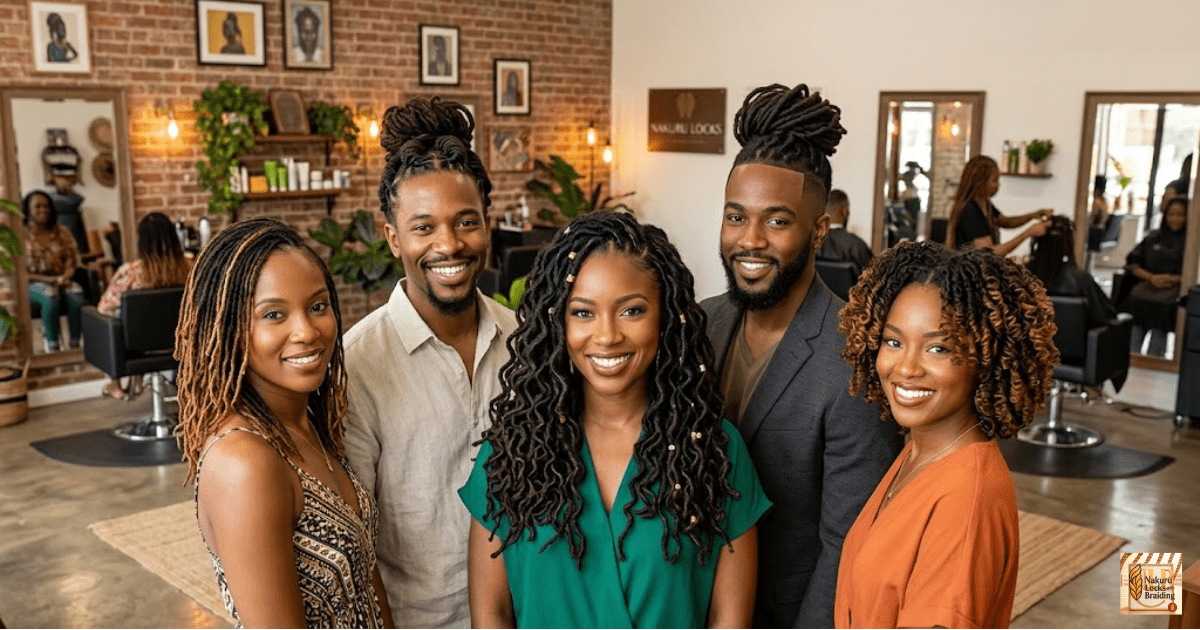
Mastering the Crown: The Ultimate Guide to Dreadlocks Styling, Evolution, and Modern Care
For centuries, Afro-textured hair has served as a canvas for profound cultural, artistic, and individual expression.
From the intricate court hairstyles of ancient African civilizations to the political and socio-cultural movements of the 20th century, hair has never been “just hair.” It is a dynamic statement of identity.
In contemporary fashion, dreadlocks—properly referred to as locs—have transcended their traditional and counter-cultural roots to emerge as one of the most versatile, sought-after luxury hairstyles globally.
Historically tied to spiritual and resistance movements like Jamaican Rastafarianism or global Black liberation struggles (Kuumba & Ajanaku, 2002; Joseph et al., 2024), locs have entered a modern renaissance.
Today, corporate executives, world-class athletes, and creative pioneers embrace locs as an elegant fusion of heritage and high-end style (Kuumba & Ajanaku, 2002).
As part of this global shift, the Natural Hair Movement has systematically dismantled old grooming dogmas, cementing protective styling as a fundamental necessity for optimal hair health (Enokenwa et al., 2022).
Textured hair possesses unique structural properties; its elliptical shape and coiled geometry make it inherently vulnerable to moisture loss, longitudinal splitting, and mechanical breakage from daily manipulation (Enokenwa et al., 2022). Locing provides the ultimate sanctuary for these delicate strands.
By allowing the hair shafts to naturally intertwine and form cohesive, rope-like structures, the hair is protected from the stressors of chemical relaxers and intense thermal tools (Enokenwa et al., 2022; Asbeck et al., 2022).
Whether you are launching your loc journey from scratch, looking to transition away from chemical treatments, or seeking avant-garde inspiration for your mature crown, this authoritative guide covers everything you need to know.

The Art and Architecture of Dreadlocks Styling
Locing is a meticulous craft that balances technical precision with biological science. Dreadlocks styling is not a monolithic practice; instead, it encompasses a diverse range of foundational methods, sizing tiers, and lifestyle integrations tailored to unique hair profiles.
Core Methods of Installation
Depending on your hair density, curl pattern, and long-term aesthetic goals, a professional loctician can install locs using several distinct techniques:
-
Comb Coils: Ideal for tightly coiled, kinky textures ($4\text{B}$ or $4\text{C}$ hair). Using a single-prong styling comb, uniform sections of natural hair are twisted from root to tip into neat, hollow cylinders.
-
Two-Strand Twists: A highly resilient starting method that works beautifully across varied curl patterns. Two equal sections of hair are interwoven, providing a thicker base that resists unravelling during early washing cycles (Asbeck et al., 2022).
-
Interlocking: Utilizing a specialized latch hook tool, the root of the hair is pulled through its own base in a precise, multi-directional pattern (e.g., the 4-point or 2-point rotation). This technique creates a dense, secure lock structural foundation from day one, making it highly suitable for active lifestyles or finer hair textures.
-
The Crochet Method (Instant Locs): Perfect for individuals seeking immediate results without waiting months for the natural matting process. A micro-crochet hook is rapidly manipulated through the hair section, mechanically intertwining the fibers to create mature, solid locs instantly.
Navigating the Loc Hierarchy: From Traditional to Micro
Selecting the right scale for your locs influences not only your daily styling versatility but also your long-term maintenance schedule.
| Loc Classification | Average Diameter | Common Installation Technique | Retightening Frequency | Best Suited For |
| Traditional Locs | Pencil thickness ($6\text{mm} – 9\text{mm}$) | Palm Rolling / Comb Coils | $4 – 6$ Weeks | Classic, bold volume; lower maintenance overhead. |
| Microlocks | Yarn thickness ($2\text{mm} – 4\text{mm}$) | Interlocking / Two-Strand Twists | $6 – 8$ Weeks | High volume, maximum styling fluidity, parting precision. |
| Sisterlocks® | Ultra-fine, thread-like ($1\text{mm} – 3\text{mm}$) | Grid-Precision Interlocking Tool | $4 – 6$ Weeks | Maximum parting grid precision, mimicking loose strands. |
| Freeform Locs | Variable / Organic shapes | Natural separation (No manipulation) | None (Organic growth) | Holistic, low-intervention cultural journeys. |
The Mechanics of Healthy Updos and Protective Layouts
Once locs mature, their styling potential is virtually limitless. However, a master loctician prioritizes structural health above aesthetic drama.
Because locs collect weight as they grow, long-term wear requires strategic weight distribution to prevent focal tension on the hair follicles (Enokenwa et al., 2022).
High ponytails, structural buns, and elaborate updos must be anchored using wide, soft bands rather than restrictive elastic ties.
To keep your locs organized, protected, and impeccably styled for weeks, consider these classic architectural layouts:
-
Barrel Rolls: A stunning technique where multiple adjacent locs are neatly braided or rolled into parallel, elevated cornrow-like structures along the scalp.
-
Loc Petals: Folding individual loc loops and securing them near the base to create the elegant illusion of a floral, texturized updo.
-
The Fishtail Braid: Intertwining mature locs into broad, sweeping cascades that distribute weight evenly across the crown.
Trend Report: Latest Dreadlocks Styles for 2026
The contemporary landscape of loc styling is defined by hyper-customization, vibrant color theory, and structural innovation. The latest dreadlocks styles seamlessly bridge the gap between classic protection and modern editorial fashion.
The Rise of High-Volume Microlocks and Fine-Gauge Grids
The global demand for high-density, highly pliable hair installations has driven fine-gauge options to the absolute forefront of modern trends.
Modern clients are increasingly opting for micro-sized installations because they completely replicate the styling fluidity of unloced, loose natural hair.
You can seamlessly curl them on rollers, part them in deep side-swept waves, or craft intricate French braids.
The look provides unparalleled volume and movement while retaining the effortless, low-maintenance advantages of traditional locs (Ja’Neil, 2026).
Avant-Garde Structural Cuts and Silhouettes
Locs are no longer merely grown long; they are carved into modern, architectural shapes:
-
The Loc Bob & Lob: Blunt-cut or layered bob shapes that frame the jawline beautifully, offering a chic, professional, and lightweight style.
-
Tapered Undercuts: Combining crisp, sharp razor fades along the perimeter or nape of the neck with longer, cascading locs on the crown. This style creates a stark, dramatic contrast that is highly popular across all genders.
-
Asymmetrical Layers: Cascading lengths that add dynamic movement and individual edge to mid-length crowns.
Contemporary Coloring and Textured Manipulation
Coloring has become a definitive hallmark of modern loc mastery. High-definition ombre transitions, honey-blonde highlights, and deep copper tones are expertly hand-painted onto mature loc matrices using specialized balayage techniques.
Furthermore, structural transformation is heavily trending through temporary texturizing:
-
Loc Crinkles: Achieved by braiding damp locs together tightly, letting them dry completely under a soft-hooded dryer, and unravelling them to reveal deep, uniform zig-zag waves.
-
Pipe-Cleaner Curls: Utilizing flexible pipe-cleaners or soft flexi-rods to form tight, bouncy, long-lasting spiral curls that add incredible dimensions to shorter or mid-length installations.
Visual Inspiration: Dreadlock Styles Photo Gallery
While a digital gallery is best experienced live on our interactive booking portal, use this structured curated roadmap to envision your next signature aesthetic.
+---------------------------------------------------------------------------------+
| DREADLOCK STYLES PHOTO GALLERY |
+---------------------------------------------------------------------------------+
 | Style: Sculpted High Barrel-Roll Crown with Tapered Sides |
| Texture: Traditional Mature Locs |
| Occasion: Professional Boardrooms & Formal Galas |
+---------------------------------------------------------------------------------+
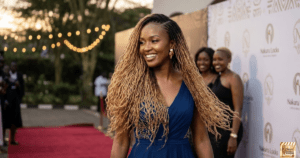 | Style: Cascade of Honey-Blonde Balayage Microlocks in a Deep Side Part |
| Texture: Micro-Gauge Interlocking |
| Occasion: Red Carpet Elegance & Daily Pliable Fluidity |
+---------------------------------------------------------------------------------+
|
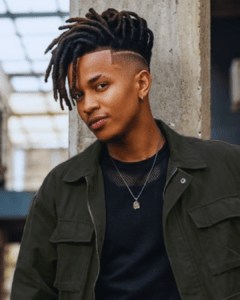 |
| Style: High-Top Loc Bob paired with a Mid-Drop Skin Fade |
| Texture: Medium Palm-Rolled Coils |
| Occasion: Contemporary Streetwear & Low-Maintenance Sophistication |
+---------------------------------------------------------------------------------+
|
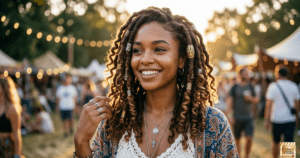 |
| Style: Textured Pipe-Cleaner Spirals accented with Intricate Metallic Jewelry |
| Texture: Medium Sized Locs |
| Occasion: Festival Radiance, Weddings, & Weekend Glamour |
+---------------------------------------------------------------------------------+
Navigating the Gallery: Finding Your Perfect Aesthetic Match
When browsing through professional style concepts, it is vital to map the visual inspiration directly onto your unique hair profile:
-
Assess Your Density: If your natural hair is finer or lower in density, micro-installations or lightweight texturized curls will maximize perceived volume. If your hair is exceptionally thick, structured layouts like barrel rolls or flat twists will neatly organize bulk.
-
Evaluate Your Face Shape: Oval faces can effortlessly support high, sweeping top-knots. Square and heart-shaped faces pair beautifully with jaw-length asymmetrical loc bobs or long, face-framing crinkles that soften the jawline.
-
Plan for Longevity: Intricate, highly sculpted gallery styles are phenomenal for weddings, corporate milestones, or special events, but they should eventually be unpaddled to give the scalp a resting phase.
The Scientific Blueprint for Loc Health and Maintenance
To keep your crown looking pristine, it is essential to follow a scientifically grounded hair care routine.
The matrix of a loc is a dense network of interwoven hair shafts, which requires specialized care to prevent common issues like product buildup, lint retention, and localized structural thinning (Asbeck et al., 2022).
The Foundation: Deep Cleansing and Residue-Free Clarification
Unlike loose natural hair, which can tolerate heavy cream-based conditioners, locs act like a highly absorbent sponge.
To keep them healthy, it is vital to avoid heavy, opaque cream shampoos and silicone-rich conditioners, which can get trapped inside the lock matrix and cause internal mildew or lint retention (Asbeck et al., 2022).
-
Shampoo Selection: Always prioritize clear, lightweight, residue-free clarifying shampoos infused with natural antimicrobials like tea tree oil, eucalyptus, or peppermint. These active ingredients deeply cleanse the scalp, removing excess sebum and environmental pollutants without leaving a film behind.
-
The Washing Routine: Focus the shampoo directly onto your scalp, gently massaging it with your fingertips to stimulate blood circulation. Allow the rich, active lather to cascade down the lengths of your locs rather than vigorously bundling or rubbing them together. This technique keeps the loc shafts intact and prevents unwanted frizz.
Advanced Hydration: The Hydro-Lock System
Because locs cannot easily shed dead hair fibers, maintaining optimal internal moisture balance is crucial to keeping the shafts pliable and preventing long-term brittleness (Enokenwa et al., 2022).
-
The Power of Water: True hydration comes from water, not heavy grease. Mist your locs daily with a lightweight, water-based leave-in conditioning spray or pure herbal distillates like rosewater or aloe vera juice.
-
Nutrient-Rich Sealing Oils: Lock in that essential hydration by applying a few drops of lightweight, non-comedogenic oils. Excellent choices include jojoba oil, which closely mirrors your scalp’s natural sebum, or antioxidant-rich grapeseed and avocado oils. Apply these sparingly along the lengths of your locs to give them a healthy, radiant sheen without any heavy buildup.
Professional Maintenance Advisory
Never twist or retighten your locs while they are completely dry, as this can snap the delicate anchoring fibers at the root and cause thinning over time.
Always ensure your hair is damp and properly lubricated with a light, professional locking gel or oil. Similarly, avoid over-retightening your roots.
Allow a healthy window of 4 to 6 weeks between sessions to safeguard your scalp from traction alopecia (Enokenwa et al., 2022).
Benefits of Dreadlocks and Why Maintenance Matters
Dreadlocks offer:
- Low-maintenance convenience once matured.
- Length retention and protection from daily manipulation.
- Scalp health when properly cared for.
- Cultural expression and confidence boost.
- Versatility for all hair types and lifestyles.
FAQ: Dreadlocks Styling, Latest Styles, and More
Q: How long does it take for dreadlocks to mature?
A: 6–24 months, depending on hair type, method, and maintenance. Starter stage requires patience.
Q: Are dreadlocks suitable for all hair types?
A: Yes, with proper techniques. Coily hair locks easiest; finer hair may need extensions or interlocking.
Q: Do dreadlocks damage hair?
A: Not when done and maintained correctly by professionals. They can actually protect and retain length.
Q: How often should I visit a salon like Nakuru Locks?
A: Every 4–8 weeks for maintenance; more frequently in early stages.
Q: Can I style short hair into dreads?
A: Yes—micro locs, comb coils, or twists work well.
Q: What’s the difference between dreadlocks and locs?
A: “Locs” is preferred by many to avoid negative connotations of “dread.”
Q: How do I choose the latest styles?
A: Consult experts; trends favor soft, curly, and colored variations in 2026.
Embrace Your Locs Journey with Confidence
Dreadlocks styling is more than a hairstyle—it’s a lifestyle of authenticity and care. From ancient spiritual roots to the latest 2026 trends like butterfly locs and versatile updos, the possibilities are endless.
Our dreadlock styles photo gallery at Nakuru Locks and Braiding inspires thousands, and our expert team is ready to craft your perfect look.
Ready to transform? Contact Nakuru Locks and Braiding today. Let’s create locs that reflect your unique story—beautiful, strong, and timeless.
Related Articles from Nakuru Locks and Braiding
References
-
Asbeck, S., Riley-Prescott, C., Glaser, E., & Tosti, A. (2022). Afro-Ethnic Hairstyling Trends, Risks, and Recommendations. Cosmetics, 9(1), 17. Cited by: 24
-
Enokenwa, M. G., Okoro, U. J., Cho, S., & Norton, S. A. (2022). Military Grooming Standards and Black Hairstyling Practices. Military Medicine, 188(11-12), e1996-e2002. Cited by: 8
-
Ja’Neil, G. H. (2026). Afro-textured hair care: a narrative review and recommendations for dermatologists. PubMed Central (PMC), PMC12900221. Cited by: 0
-
Joseph, J., Pennock, K., & Brown, S. (2024). Black Hair Is a Safe Sport Issue!: Black Aesthetics, Access, Inclusion, and Resistance. Sociology of Sport Journal, 1–9. Cited by: 8
-
Kuumba, M. B., & Ajanaku, F. (2002). DREADLOCKS: THE HAIR AESTHETICS OF CULTURAL RESISTANCE AND COLLECTIVE IDENTITY FORMATION. Mobilization: An International Quarterly, 3(2), 227–243. Cited by: 74
Leave a Reply