
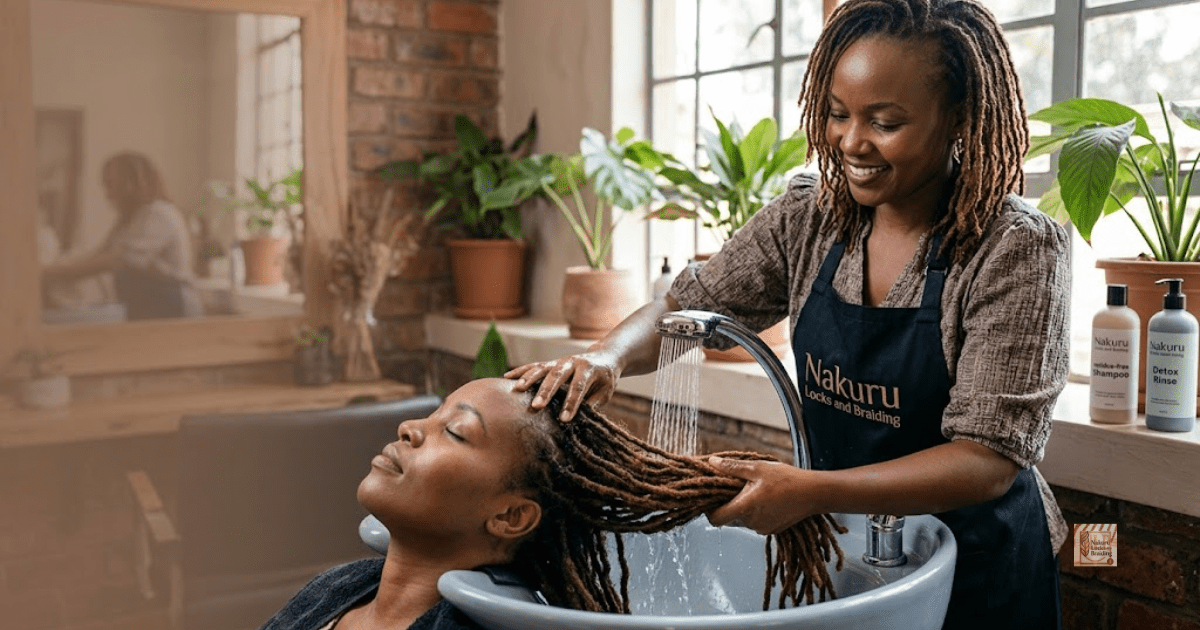
How to Wash Dreadlocks and Locs: A Complete Guide to Clean, Healthy Hair Without Buildup or Damage
There is a quiet, rhythmic peace in the morning ritual of a woman named Sylvia. Every day, as she prepares to open her salon, she touches her hair—a lush, mature crown of locs that have journeyed with her for seven years.
To the casual observer, locs might seem like a “set it and forget it” style. But Sylvia knows the truth: locs are living, breathing entities. They require a delicate balance of nurture, protection, and, most importantly, the right kind of cleansing.
For many, the fear of “messing up” their roots or causing unraveling keeps them away from the sink for far too long. But as we see at Nakuru Locks and Braiding, the health of your scalp and the longevity of your locs depend on one fundamental truth: clean hair locks faster and stays stronger.
If you’ve ever wondered how to achieve that salon-fresh feeling without the anxiety of damaging your hard-earned progress, you’ve come to the right place.
Why “Not Washing” Is a Myth
A common misconception in the loc community is that washing your hair frequently will cause it to unravel or “go back to curly.” While excessive friction can certainly disturb new growth, avoiding water is a recipe for disaster.
Trapped sweat, environmental pollutants, and product residue aren’t just surface issues; they migrate inside the loc. Over time, this debris builds up, creating a gray, waxy substance that is notoriously difficult to remove.
This is the primary culprit behind odor, thinning, and even “loc rot”—the dreaded mildew that can form in the center of thick, undried, and unwashed locs.
Understanding Buildup in Locs: The Silent Saboteur
Buildup in locs occurs when products, oils, dirt, lint, dead skin cells, and hard water minerals accumulate inside the rope-like strands.
Unlike loose hair, locs trap debris easily, leading to dullness, odor, itching, breakage, or even mildew if neglected.
Types of buildup include:
- Product buildup: From heavy butters, waxes, or non-water-soluble gels.
- Lint/fuzz: From clothing, towels, or environment.
- Biological: Sebum, sweat, and flakes.
- Mineral: From hard water.
Left unchecked, it weighs locs down, causes irritation, and hinders locking. Dermatologists note that poor scalp hygiene under locs can exacerbate issues like traction alopecia or central centrifugal cicatricial alopecia (CCCA) in textured hair.
How to Avoid Buildup in Locs
Prevention is easier than removal. Follow these expert-backed strategies:
1. Choose Residue-Free Products: Use clarifying or loc-specific shampoos (e.g., those with tea tree, peppermint, or apple cider vinegar). Avoid heavy waxes; opt for water-based gels and light oils.
2. Wash Regularly but Smartly: Every 7–14 days for most. Starter locs may need more frequent gentle cleans to prevent odor while allowing locking.
3. Dilute and Target Scalp: Always dilute shampoo. Focus on roots; let suds flow through locs.
4. Protect During Activities: Wear a satin scarf or durag during sleep/exercise. Rinse after heavy sweating.
5. Monthly Maintenance: Incorporate ACV rinses or light detox soaks. Open new growth before washing to clean thoroughly.
6. Lifestyle Tweaks: Rinse with filtered water if possible; pat dry thoroughly to avoid moisture-related issues.
Consistent routines from Nakuru Locks and Braiding clients show fewer maintenance visits and healthier locs.
How to Get Buildup Out of Locs Without Washing
For times when full washing isn’t feasible (e.g., before an event or travel), try these non-wash methods:
- Scalp Sprays and Tonic: Mix diluted apple cider vinegar (ACV) or witch hazel with essential oils (tea tree, rosemary). Spray on scalp, massage gently, and pat dry. Sea Breeze or similar astringents on cotton pads target itchy spots.
- Dry Shampoo Alternatives: Baking soda sprinkled lightly on roots (then brushed out) absorbs oil. Use sparingly to avoid drying.
- Targeted Spot Cleaning: For visible buildup, use a diluted dish soap (like Dawn) spray on affected areas, massage, and rinse locally if possible. Not for routine use.
- Lint Removal: Manually pick or use a soft toothbrush. Avoid metal tools that snag.
These provide relief but aren’t substitutes for proper washing. Over-reliance can mask deeper issues.
How to Wash Locs Without Messing Them Up (or Causing Buildup)
The key is gentle technique, right products, and thorough rinsing. Here’s a step-by-step routine adaptable for home use.
Preparation:
- Gather: Residue-free shampoo, ACV or conditioner, spray bottle, microfiber towel or old T-shirt, stocking cap (for starters).
- Best time: Morning for full drying.
Step-by-Step Washing:
1. Wet Thoroughly: Use warm (not hot) water to saturate locs and open cuticles. This loosens debris.
2. Dilute and Apply Shampoo: Mix 2–3 tbsp shampoo in a bottle with water. Apply to scalp in sections. Massage with fingertips (not nails) for 3–5 minutes. Let suds travel down locs.
3. Rinse Completely: Spend extra time rinsing—buildup hides in cores. Tilt head to let water flow through.
4. Condition or ACV Rinse: Dilute ACV (1:3 with water) for shine and pH balance. Or use a lightweight leave-in conditioner on ends.
5. Dry Properly: Squeeze (don’t wring or twist) water out. Use a microfiber towel or air dry. For faster drying, use a blow dryer on cool with diffuser. Ensure fully dry to prevent mildew.
6. In the Shower Tips: Section hair loosely; use a shower cap between washes if needed. Avoid vigorous rubbing.
This method minimizes buildup by removing residue fully, unlike regular shampoos that leave film.
How to Wash Your Locs Without Unraveling
The secret to washing without “messing them up” is all about controlled movement. You want to treat the scalp and the hair shaft as two distinct zones.
1. The Stocking Cap Method (For Starter Locs)
If you have brand-new starter locs, they are at their most vulnerable. To wash them without unraveling:
-
The Barrier: Slip a clean nylon stocking cap or a thin durag over your head.
-
The Application: Use an applicator bottle filled with a diluted mixture of residue-free shampoo and water. Apply this directly through the cap onto your scalp.
-
The Cleanse: Gently massage your scalp with your fingertips (never your nails) over the cap. The mesh allows the shampoo to reach the scalp while preventing your locs from moving or friction-rubbing against each other.
-
The Rinse: Rinse thoroughly through the cap before carefully removing it.
2. The “Squeeze and Release” Technique (For Mature Locs)
Once your locs are more established (usually after 6+ months), you can ditch the cap, but you must ditch the aggressive scrubbing, too.
-
Saturation: Wet your hair thoroughly. Warm water opens the cuticle and helps dissolve surface oils.
-
Targeted Cleaning: Focus your shampoo on the scalp. Use your fingertips in circular motions.
-
Gentle Distribution: For the length of the locs, do not scrub. Simply take the lathered water from your scalp and gently squeeze it down the length of each loc. This “squeeze and release” action draws dirt out without causing frizz or unravelling.
How to Wash Dreadlocks at Home: Tailored Advice
Home washing empowers independence. How to Wash locs for mature locs: Follow the above; they tolerate more manipulation.
Starter Locs Specifics (How to Wash Starter Locs Without Unraveling): Starter locs (first 3–12 months) are fragile. Many fear washing, but clean scalps promote better locking.
- Use a stocking cap, fishnet, or durag to hold twists/coils in place.
- Dilute shampoo heavily in a spray bottle for precision.
- Gentle massage only; no scrubbing.
- Wash every 2–3 weeks initially, increasing as they mature.
- Post-wash: Light retwist or palm roll if needed; air dry undisturbed.
Clients at Nakuru Locks report minimal unraveling with these protections.
Frequency: What Happens If You Wash Locs Every Day?
Daily washing strips natural oils, leading to dryness, breakage, and weakened locs. It can delay maturation in starters and cause scalp irritation.
Most experts recommend 7–10 days, or weekly for active/sweaty lifestyles with proper moisturizing. Over-washing with harsh products worsens buildup paradoxically by drying the scalp, prompting excess oil production.
Balance is key—listen to your scalp.
Advanced Buildup Removal: Detox Methods
For stubborn cases:
- Baking Soda Soak + ACV Rinse: Soak in warm baking soda water (1/4 cup per liter), 15–30 min. Follow with ACV rinse. Excellent for product/lint.
- Clarifying Shampoo or Mild Detergent: For extreme cases, diluted Dawn or castile soap (emergency only).
- Professional Help: Visit a loctician for deep cleans.
Always follow with deep moisture.
Post-Wash Care and Maintenance
- Moisturize with aloe, rose water, or light oils (jojoba, grapeseed).
- Retwist/palm roll as needed, not too tightly.
- Protect at night with satin.
- Diet and hydration support internal health.
FAQ: Your Top Questions Answered
Q: Can I wash locs without retwisting?
Yes—many routines skip full retwist. Gentle washing maintains form.
Q: How often for starter locs?
Every 2–4 weeks initially; monitor scalp.
Q: Best shampoo for no buildup?
Residue-free, sulfate-free options with natural antimicrobials.
Q: Itchy scalp after washing?
May indicate incomplete rinse or dryness. Deep condition and ACV help. Consult a dermatologist if persistent.
Q: Hard water issues?
Use chelating shampoos or vinegar rinses periodically.
Why Trust This Guide?
With 14+ years serving diverse clients, our team combines traditional Kenyan techniques with modern trichology. We reference dermatological sources like the American Academy of Dermatology (AAD) on textured hair care and loctician communities. This isn’t generic advice—it’s field-tested for real results.
Related Articles from Nakuru Locks and Braiding
Visit Nakuru Locks and Braiding in Nakuru City for personalized services. Book a consultation today—your locs deserve expert care.
Healthy locs are a journey of consistency, patience, and knowledge. By implementing these strategies, you’ll enjoy buildup-free, vibrant dreadlocks that honor your roots—wherever you are in the world. Share your experiences in the comments or reach out for tailored advice.
References:
- DollyLocks and Digital Loctician detox guides.
- AAD hair care recommendations.
- Trichologist-led loc frameworks.
Leave a Reply