
Micro Locs vs. Sisterlocks: Which Journey Is Right for Your Crown?
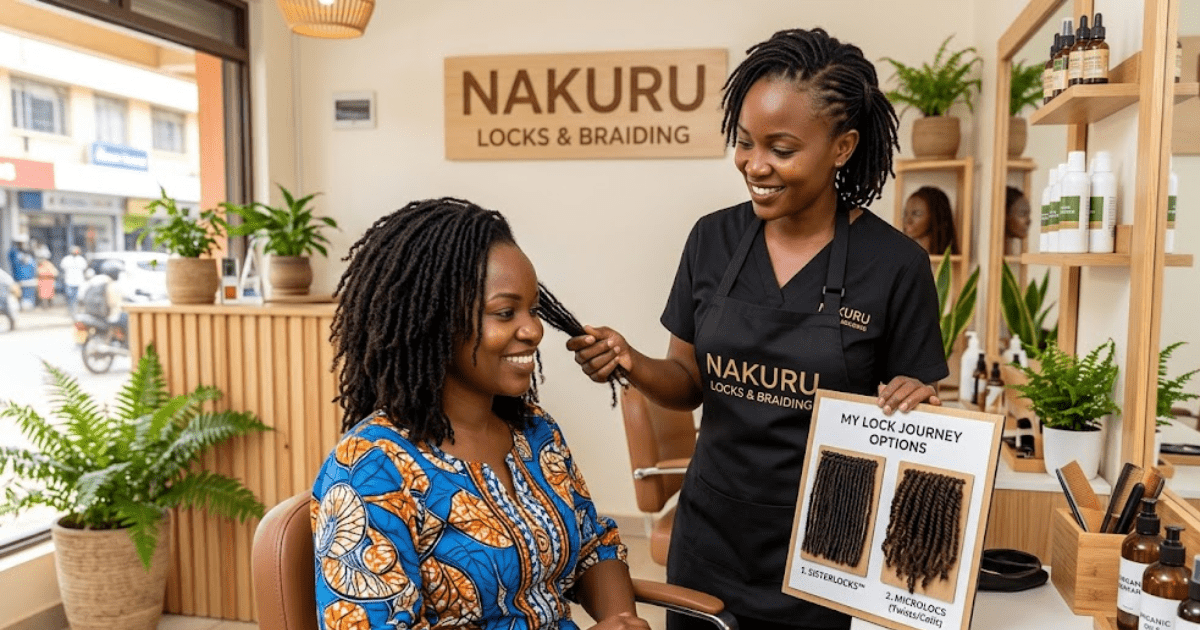
Every loc journey begins with a story. I remember sitting in my chair at Nakuru Locks and Braiding with a client, Sylvia, who had spent years debating between a polished, grid-based style and something a bit more organic.
She was worried about the commitment, the cost, and—most importantly—the long-term health of her hair.
For many, the distinction between Microlocs and Sisterlocks feels like a maze of terminology.
Whether you are a professional stylist or someone looking to embrace a permanent protective style, understanding the technical differences is vital for your scalp health and style longevity. In 2026, we prioritize hair integrity over trends; let’s dive into the details.
What Are Microlocs? Understanding the Basics
Microlocs (also called micro locs or microlocks) are a smaller variation of traditional dreadlocks or locs.
They typically range from the size of a pencil or smaller, often created by sectioning hair into tiny parts and locking them using methods like two-strand twists, braids, coils, palm rolling, or interlocking.
Unlike larger traditional locs, microlocs offer a fuller, more voluminous look, especially for those with finer or thinner hair, as they can number 200–400+ individual locs.
They mature over time, becoming thicker and more defined as hair grows and sheds into the locs. Microlocs are versatile for styling—updos, braids, curls, and more—mimicking loose natural hair while providing protection.
At Nakuru Locks and Braiding, we customize microlocs to your hair density, texture (perfect for 4C and coily types common in East Africa), and desired size, ensuring they suit your lifestyle.
What Are Sisterlocks? The Trademarked Precision System
Sisterlocks are a specific, trademarked loc system created in 1993 by Dr. JoAnne Cornwell, a Professor Emerita of Africana Studies and a third-generation hair care specialist.
They are tiny, uniform locs installed exclusively using a specialized interlocking tool and a precise symmetrical grid pattern.
Installation starts from the ends of the hair toward the root (unlike many microloc methods that build from the root).
Only certified Sisterlocks consultants can officially perform them, emphasizing a “lifestyle” of natural hair empowerment rather than just a style.
Sisterlocks are often even smaller and more intricate than standard microlocs, with a focus on uniformity and minimal product use.
This patented approach has gained global popularity for its neatness and manageability, but it comes with specific protocols for maintenance.

Microlocs vs Sisterlocks: Key Differences Explained
The core distinctions lie in technique, grid, maintenance, and accessibility:
- Installation Technique: Microlocs offer flexibility—twists, braids, coils, palm rolling, or interlocking. Sisterlocks mandate the interlocking tool and specific pattern.
- Grid Pattern: Microlocs allow customizable parting; Sisterlocks require a symmetrical, precision grid for uniformity.
- Size and Appearance: Both are small, but Sisterlocks are often tinier and more uniform. Microlocs can vary and may appear slightly fuller or textured initially.
- Who Can Install Them: Any skilled loctician for microlocs; certified Sisterlocks consultants only for the official style.
- Root Locs Consideration: “Root locs” often refer to maintaining or starting locs at the new growth (roots). In comparisons, root maintenance for both styles involves retightening, but Sisterlocks’ grid helps prevent merging better long-term, while microlocs may require more attention to roots depending on the starter method. Root locs vs. Sisterlocks vs. microlocs highlights that all benefit from consistent root work, but Sisterlocks’ interlocking from ends provides inherent root-to-tip stability.
Both protect hair from daily manipulation, promote length retention, and suit global audiences from Kenya to the diaspora.
Microlocs vs Sisterlocks Pros and Cons
Microlocs Pros:
- Versatile installation and styling options.
- Often more budget-friendly and accessible.
- Great for adding volume to thin hair.
- Lower maintenance in early stages; DIY-friendly for some.
- Flexible for various hair types and lifestyles.
Microlocs Cons:
- Can be prone to frizz initially.
- Less uniform without a strict grid.
- May require more frequent retightening in some cases.
- Potential for merging if not maintained well.
Sisterlocks Pros:
- Highly uniform, neat appearance with the signature grid.
- Excellent for long-term manageability and reduced frizz.
- Promotes scalp health and hair growth through minimal tension and products.
- Strong brand community and structured care.
Sisterlocks Cons:
- Higher cost and longer installation time.
- Requires certified professionals and strict maintenance schedule (every 4-6 weeks).
- Less DIY flexibility.
- Harder to find qualified consultants in some regions.
Installation, Maintenance, and Lifestyle Fit
Installation for microlocs can take 6–24 hours; Sisterlocks often 8–36+ hours due to precision. Both are time investments but pay off in low daily upkeep—”shake and go” versatility.
Maintenance: Microlocs might allow more self-care; Sisterlocks thrive on professional reties. Both need proper washing (every 2–3 weeks), moisturizing, and avoiding heavy products. At Nakuru Locks and Braiding, we offer tailored aftercare, including treatments for Kenyan climates.
For active lifestyles, workouts, or humid environments, both excel as protective styles, but Sisterlocks’ interlocking may hold better against unraveling.
Microlocs vs Sisterlocks Cost and Price
Microlocs:
Installation typically $500–$1,000+ (or equivalent in KSh, e.g., more affordable locally in Nakuru). Maintenance/retwists: $100–$300 per session.
Sisterlocks:
Higher, $700–$1,500+ for starters due to certification and time. Maintenance: $200–$400. In Kenya, prices vary by length (e.g., natural Sisterlocks around KSh 25,000–30,000).
Long-term, both save money versus frequent weaves or relaxers. Nakuru Locks and Braiding provides competitive, personalized pricing with consultations—often more accessible for East African clients.
Root Locs Maintenance Costs:
Similar across styles, focused on new growth; microlocs may be cheaper ongoing.
Insights from Reddit: Micro Locs vs Sisterlocks Reddit Discussions
On platforms like r/Microlocs, users debate investment value. Many choose microlocs for affordability and flexibility, especially when starting or on a budget.
Others prefer Sisterlocks for the “official” neatness and community, though some note the grid becomes less visible over time as hair grows.
Common advice: Prioritize your budget, stylist expertise, and hair goals over brand name. Real journeys highlight both thriving with proper care.
What Is Better: Sisterlocks or Microlocs?
Neither is universally “better”—it depends on you. Choose microlocs for affordability, flexibility, and accessibility (ideal for busy professionals or those new to locs).
Opt for Sisterlocks if you value precision, uniformity, and a structured system (great for those seeking a long-term commitment).
At Nakuru Locks and Braiding, we assess your hair texture, density, lifestyle, and goals during free consultations to recommend the best fit.
Many clients with coily hair thrive with customized microlocs that mimic Sisterlocks aesthetics at a better value.
Hair Health, Benefits, and Global Appeal
Both styles reduce breakage, promote growth by minimizing manipulation, and improve scalp health.
They celebrate natural textures worldwide—from African roots to diaspora communities. Benefits include versatility, confidence, and cultural connection.
Potential challenges like initial frizz or retightening are manageable with expert care from salons like ours.
FAQ: Microlocs vs Sisterlocks
Q: Can I convert between them?
Often yes, with professional help, but consult experts.
Q: Which lasts longer?
Both mature into permanent locs with good care; Sisterlocks may maintain uniformity better.
Q: Suitable for thin hair?
Microlocs excel for volume; Sisterlocks for fine hair with proper sizing.
Q: How often retighten?
Every 4–8 weeks, depending on growth and style.
Q: DIY possible?
Microlocs more so; Sisterlocks not recommended.
Q: Cost in Kenya/Nakuru?
Contact Nakuru Locks and Braiding for current quotes—competitive and localized.
Related Articles from Nakuru Locks and Braiding
Ready to transform your hair?
Visit Nakuru Locks and Braiding at Mt. Sinai Building, Bazaar Rd, Nakuru, or call/WhatsApp +254 723 168 188. Our team provides personalized consultations, high-quality installations, and ongoing support for your loc journey.
Whether microlocs or Sisterlocks, embrace the style that honors your hair and story. Your crown awaits—book today and step into effortless beauty.
References
- Official Sisterlocks site (sisterlocks.com).
- StyleSeat and expert loctician guides.
- Dr. JoAnne Cornwell’s foundational work.
We at Nakuru Locks and Braiding draw from years of hands-on experience and client transformations.
Leave a Reply