
Ultimate Guide to Weave Style Hair: Quick Weaves, Sew-Ins, Curls, and Protective Styles for Natural Hair
From the bustling streets of Nairobi to the fashion capitals of the world, hair has always been a profound medium of self-expression. There is a specific magic in the moment you step out of a salon chair with a fresh install—the weight of the hair, the perfect luster of the curls, and the immediate boost in confidence. Whether you are looking to protect your natural tresses or completely reinvent your aesthetic, weave style hair offers an unparalleled canvas for creativity.
Weave styles with natural hair have become a global phenomenon, especially among Black women and those with textured hair. They act as protective styling that shields your ends from daily wear, reduces breakage, and promotes length retention.
From quick weave styles that take under an hour to sew in weave styles that last weeks, these options let you experiment with weave hairstyles curls, ponytails, bobs, and more. In this comprehensive 2026 guide, we break down everything—from what are the types of weave to maintenance tips—so you can choose confidently.
What is Weave Hair Styles? Understanding the Basics
To the uninitiated, the term “weave” might seem like a singular concept. However, in professional cosmetology, hair weave styles refer to the technique of integrating hair extensions into one’s natural hair to add length, volume, or a change in texture.
Unlike clip-ins or tape-ins, weaves are typically “installed” by creating a foundation—usually cornrows—and then attaching the hair wefts (bundles) to that foundation. This method provides a more permanent look that can last anywhere from four to eight weeks, depending on the maintenance and type of install.
The Anatomy of a Weave
-
The Foundation: Usually cornrows (braid patterns) tailored to the desired final look.
-
The Weft: The track of hair that is either sewn, glued, or linked to the foundation.
-
The Closure/Frontal: A lace piece used to finish the look at the crown or hairline, mimicking a natural scalp.
-
The Leave-out: A section of your natural hair left out to cover the tracks for a seamless blend.
The Major Types of Weave Installations
Choosing the right installation method is the most critical decision in your hair journey. Each method caters to different needs regarding time, budget, and hair health.
1. Sew-In Weave Styles
The gold standard of durability. In a sew-in weave style, the extensions are literally sewn onto braided natural hair using a needle and specialized thread.
-
Pros: Very secure, lasts up to 8 weeks, allows for high-impact styling.
-
Cons: Takes longer to install (2–4 hours).
2. Quick Weave Styles
For the woman on the go, quick weave styles are a game-changer. Instead of sewing, the wefts are bonded (glued) to a protective cap placed over the hair.
-
Pros: Fast installation (under 1 hour), generally more affordable.
-
Cons: High risk of hair damage if the glue touches the scalp or natural hair. Always use a “shield” or protective base.
3. Micro-Link or Hybrid Weave
This involves attaching small wefts using silicone beads. It offers the most movement and is excellent for those who want to avoid braids or glue.
Trending Weave Styles for Ladies
The versatility of extensions allows for a massive range of aesthetics. Here are the top weave styles for ladies currently dominating the industry:
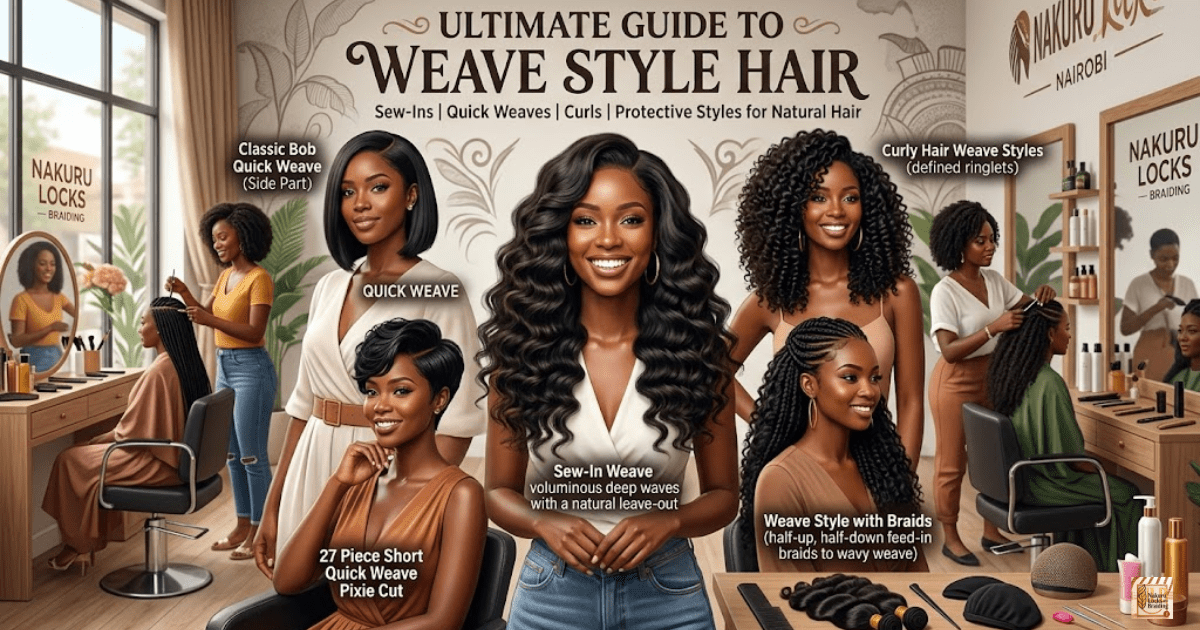
The Classic Bob Weave Styles
The bob is timeless. Whether it’s a blunt “power bob” or an asymmetrical cut, bob weave styles provide a sophisticated, professional look. Short weaves are particularly popular in warmer climates like Nakuru because they offer style without the weight of long bundles.
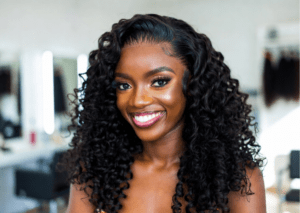
Curly Hair Weave Styles
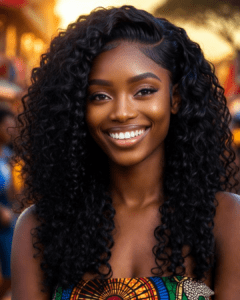
For those who love volume, curly hair weave styles are the ultimate choice. Ranging from deep waves to kinky curls, these styles mimic the beauty of natural 3C-4C hair or provide a glamorous “Hollywood” bounce. Weave hairstyles curls require high-quality human hair to ensure they don’t tangle after the first wash.
27 Piece Short Quick Weave Styles
A favorite among fans of “pixie” cuts. The 27 piece short quick weave styles utilize various lengths of hair (usually 1″ to 4″) to create a tapered, layered short look that looks incredibly realistic and chic.
Weave Styles with Braids
Combining textures is a major trend. Weave styles with braids often involve cornrowing the front half of the head and installing a weave in the back (the “half-up, half-down” look). This gives the intricate detail of braiding with the flow of a weave.
Weave Styles with Natural Hair: The “Leave-Out” Method
One of the most requested looks at our salon is weave styles with natural hair. This technique involves leaving a U-shaped or rectangular section of your own hair at the top or sides.
Expert Tip: To achieve a flawless blend, the texture of the weave must match your natural hair. If you have 4C hair, opting for a “Kinky Straight” weave will look more natural than a “Silky Straight” one when you use a flat iron to blend the leave-out.
Pros of Using Natural Hair:
-
Undetectable Hairline: No lace is involved, so the hair looks like it’s growing from your scalp.
-
Versatility: You can easily change your part.
Cons:
-
Heat Damage: Constant styling of the “leave-out” to match the weave can lead to breakage.
Fast Transformation: The Rise of Quick Weaves
When time is of the essence, quick weave styles provide instant gratification. Many clients ask, “Are quick weaves safe?” The answer is yes—if done by a professional.
Quick Weave Styles for Long Hair
Using three to four bundles of 20-inch hair, you can go from a short TWA (Teeny Weeny Afro) to waist-length hair in less than an hour. Cute quick weave styles often include high ponytails or side-parted sleek looks.
Quick Weave Styles Short
If you prefer a cropped look, short quick weave styles like a “finger wave” or a “tapered bowl cut” are incredibly easy to maintain and perfect for showcasing your facial features.
Maintenance and Hair Health: The Nakuru Locks Philosophy
As a Lead Stylist with over a decade of experience, I cannot stress enough: The health of the hair underneath the weave is more important than the weave itself. According to the Journal of the American Academy of Dermatology, improper installation and neglect of the scalp during weaving can lead to Traction Alopecia (hair loss caused by tension).
How to Maintain Your Weave Style:
-
Scalp Hydration: Use a nozzle bottle to apply light oils or scalp tonics between your braids.
-
Drying is Key: If you wash your weave, ensure the braids underneath are 100% dry. Damp braids lead to “moldy” smells and scalp irritation.
-
Night Care: Always sleep in a silk or satin bonnet. This prevents the hair from matting and keeps black weave styles looking shiny and fresh.
Frequently Asked Questions (FAQ)
Q: How long can I keep a sew-in weave? A: We recommend 6 to 8 weeks. Leaving it in longer can cause the natural hair to mat or dread at the roots.
Q: Can I wash my quick weave? A: It is risky. Since quick weave styles use glue, water can loosen the bond. It is best to use a dry shampoo or have it professionally cleaned.
Q: What is the best hair for a weave? A: Virgin Human Hair is the gold standard. It can be dyed, heat-styled, and reused for multiple installs. Synthetic hair is better for short-term quick weave styles.
Q: Does a weave help hair grow? A: Yes, it is an excellent protective style. By tucking your ends away, you reduce daily manipulation and breakage.
Related Articles from Nakuru Locks and Braiding
Ready to transform? Book your weave style hair consultation at Nakuru Locks and Braiding today. Your dream look—and healthier natural hair—awaits. Visit us in Nakuru or DM for virtual styling advice. Because every woman deserves hair that turns heads and protects her crown.
References
-
American Academy of Dermatology (AAD) – Hair Loss and Protective Styling.
-
The Trichological Society – Impact of Hair Extensions on Scalp Health.
-
International Journal of Women’s Dermatology – Traction Alopecia in Women of Color.
- Luxy Hair & Hermosa Hair: Types of extensions.
- Heat-Free Hair & Byrdie: Natural hair sew-in benefits.
- Silent Spring Institute (2026 study): Hair extension safety.
- American Academy of Dermatology: Preventing weave damage.
Leave a Reply