
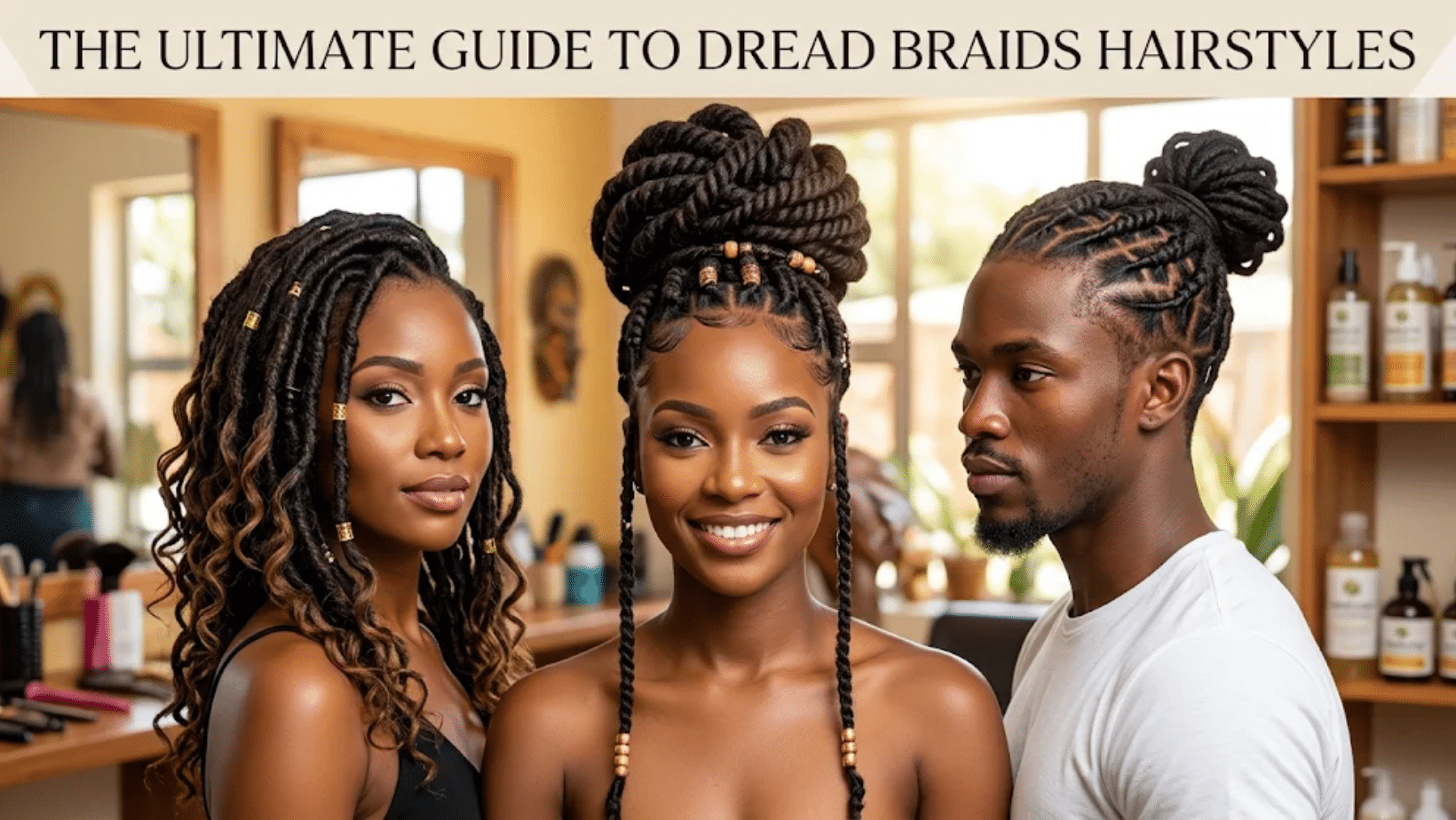
Dread Braids Hairstyles: The Ultimate Global Guide to Styles for Ladies, Men, Short Hair & Beyond
Hair is far more than strands of keratin; it is living sculpture, ancestral identity, and a Canvas of personal expression.
Across continents—from the bustling streets of Nakuru and Nairobi to fashion capitals worldwide—the union of dreadlocks and protective braiding has evolved into one of the most dynamic movements in textured hair care.
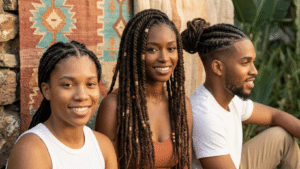
Dread braids hairstyles bridge the gap between traditional loc maturity and structural versatility, offering low-tension styling, neat edge management, and expressive artistry for short, medium, and long hair alike.
Whether you are seeking protective dread braids short hair setups, elegant dread braids hairstyles for females, or sharp braided dread styles for males, this master guide explores every dimension of dread braiding.
Authored with trichological grounding and practical salon expertise from Nakuru Locks and Braiding, this definitive handbook breaks down technique, scalp health, maintenance, and design options for all loc journeys.

What Exactly Are Dread Braids?
Dread braids (also called braided locs, loc braids, or plaits on dreads) are not the same as starting locs with braids or wearing temporary faux locs.
They are created by taking already-formed dreadlocks—whether natural, interlocked, or matured—and weaving groups of those locs into braid patterns.
Traditional dreadlocks form through matting, twisting, or interlocking over months or years. Braids, by contrast, involve interlacing three or more strands in a deliberate over-under pattern.
When you braid existing locs, you create temporary or semi-temporary structure that redistributes weight, reduces daily manipulation, seals in moisture, and opens endless styling options.
This hybrid approach sits at the intersection of two powerful African hair traditions. Locs carry deep historical and spiritual significance across East African, Rastafarian, and other communities.
Braiding patterns have long communicated identity, status, and artistry. Combining them allows modern wearers to honor both.
Dermatologists note that well-executed protective styles, including carefully tensioned braids on locs, can reduce mechanical breakage compared with daily combing or heat styling.
However, excessive tightness remains a risk for traction alopecia. The key is skilled installation that prioritizes scalp health.
Dread Braids Hairstyles for Females and Ladies
Dread braids hairstyles for females and dreadlocks styles for ladies offer remarkable range. Women often seek looks that move from office-appropriate neatness to evening drama without damaging the locs.
Popular options include:
- Classic three-strand plaits running down the back or gathered into a low bun. This clean silhouette works for professional settings and keeps length manageable.
- Crown or halo braids that frame the face while the remaining locs cascade freely. These create a regal effect popular for weddings and celebrations.
- Side-swept braided sections mixed with loose locs for a softer, bohemian vibe.
- Feed-in or cornrow-style braids at the front that transition into free-hanging locs at the back. This reduces bulk at the forehead and protects edges.
- Goddess-inspired hybrids that incorporate soft curls or wraps at the ends of select braided sections for movement and texture.

Many ladies with medium to long locs choose braided styles precisely because they protect ends from friction against clothing and bedding while allowing creative expression. In humid or dusty environments like Nakuru, braiding also helps control frizz between maintenance appointments.
Short-to-medium lengths work beautifully too. Women with shoulder-length or slightly shorter locs can achieve neat mini-braids, barrel-style rolls, or half-up styles that still look intentional and polished.

Short Dread Braids Hairstyles and Dread Braids Short Hair
One of the most common misconceptions is that braiding requires long locs. Short dread braids hairstyles and dread braids short hair are not only possible—they are currently among the most requested looks.
With as little as three to six inches of mature loc length, skilled stylists can create:
- Two-strand twists of individual or paired locs for a thicker, rope-like appearance.
- Mini crown braids or circular patterns that keep hair off the face and highlight a clean fade or lineup.
- Barrel rolls or horizontal overlapping techniques popular with athletes and active clients who need hair to stay secure.
- Small geometric sections that create visual density and structure on shorter hair.
These styles suit men and women equally. They pair especially well with fades, undercuts, or tapered sides, giving a modern, sharp finish. For clients still in the “teenager” stage of their loc journey, short braided styles prevent the awkward phase from feeling messy and encourage even maturation.
Braided Dread Styles for Males and Dread Braids Men
Braided dread styles for males and dread braids men have moved far beyond niche status. From athletes to creatives to corporate professionals, men are embracing the versatility.
Common requests at our salon include:
- Straight-back or patterned cornrow-style braids on locs for a clean, low-profile look under helmets or caps.
- Thick three-strand plaits that create a Viking or warrior aesthetic while managing heavy length.
- Fishtail braids for more intricate texture and formal occasions.
- Quad-braids (four large sections) for quick, secure styling that lasts one to two weeks.
- Braided ponytails or half-up styles that keep hair controlled during physical work or sports.
- Combinations with fades or high tops for contrast and definition.
Men often appreciate how braiding redistributes the weight of longer locs, reducing pull on the scalp, and how the style stays neat with minimal daily effort. A satin or silk durag at night further protects the braids and prevents lint buildup.

Why Choose Dread Braids Styles?
Across all the keyword variations—dread braids styles, dreadlocks styles for ladies, braided dread styles for males—the practical benefits remain consistent:
- Protection: Braiding reduces daily friction and manipulation of individual locs.
- Weight management: Grouping locs spreads load more evenly.
- Moisture retention: The braid structure helps seal the core of each loc.
- Versatility: One set of locs can be restyled into many different silhouettes without cutting.
- Cultural expression: The patterns and techniques connect wearers to long-standing African hair artistry while allowing personal storytelling.
When installed with proper tension (never painful, never causing skin tenting), these styles align with protective styling principles recommended by dermatology sources. Rotation of styles, regular scalp care, and timely unbraiding remain essential.

Care and Maintenance Essentials
Healthy dread braids depend on consistent, gentle care:
- Oil the scalp two to three times weekly with a nozzle bottle so product reaches between braids without over-saturating the locs.
- Sleep on satin or silk (bonnet, scarf, or pillowcase) every night.
- Wash while braided using a stocking or mesh cap to maintain structure; focus on the scalp and rinse thoroughly.
- Avoid leaving tight braids in longer than four to six weeks to prevent thinning at the base.
- After unbraiding, give the locs a recovery period with light moisturizing and minimal tension before the next style.
At Nakuru Locks and Braiding we emphasize eco-friendly, residue-free products suited to Kenyan climates and Afro-textured hair. Our stylists assess density, length, and scalp condition during every consultation so the final style supports long-term health.
Frequently Asked Questions
What is the difference between dreadlocks and dread braids?
Dreadlocks (locs) are the matted or interlocked strands themselves. Dread braids are a styling technique applied to those existing locs.
Can I get dread braids with short hair?
Yes. With sufficient loc maturity (typically 3+ inches), short braided styles such as twists, mini crowns, and barrel rolls are achievable and popular.
How long do braided dread styles last?
Most professional installations last two to six weeks depending on hair growth rate, activity level, and care. Tighter or more intricate styles may need earlier refresh.
Do dread braids damage hair?
When tension is moderate and installation is skilled, they protect rather than damage. Excessive tightness can contribute to traction alopecia—always communicate comfort levels with your stylist.
Are dread braids suitable for both men and women?
Absolutely. The techniques adapt to different lengths, densities, and style preferences. Men often favor cleaner, more structured patterns; women frequently explore softer or more decorative variations, but there is full overlap.
How do I maintain my edges while wearing dread braids?
Choose styles that begin slightly back from the hairline when possible, avoid heavy product buildup, and use light edge care products. Never force painful tension.
Related Articles from Nakuru Locks and Braiding
Explore more of our expert guides:
References
- American Academy of Dermatology resources on protective hairstyles and traction alopecia risk factors.
- Peer-reviewed discussions in the Journal of the American Academy of Dermatology and related clinical literature on tension-related hair loss and culturally competent scalp care.
- Cultural and historical context drawn from documented African and diaspora hair traditions.
Leave a Reply