
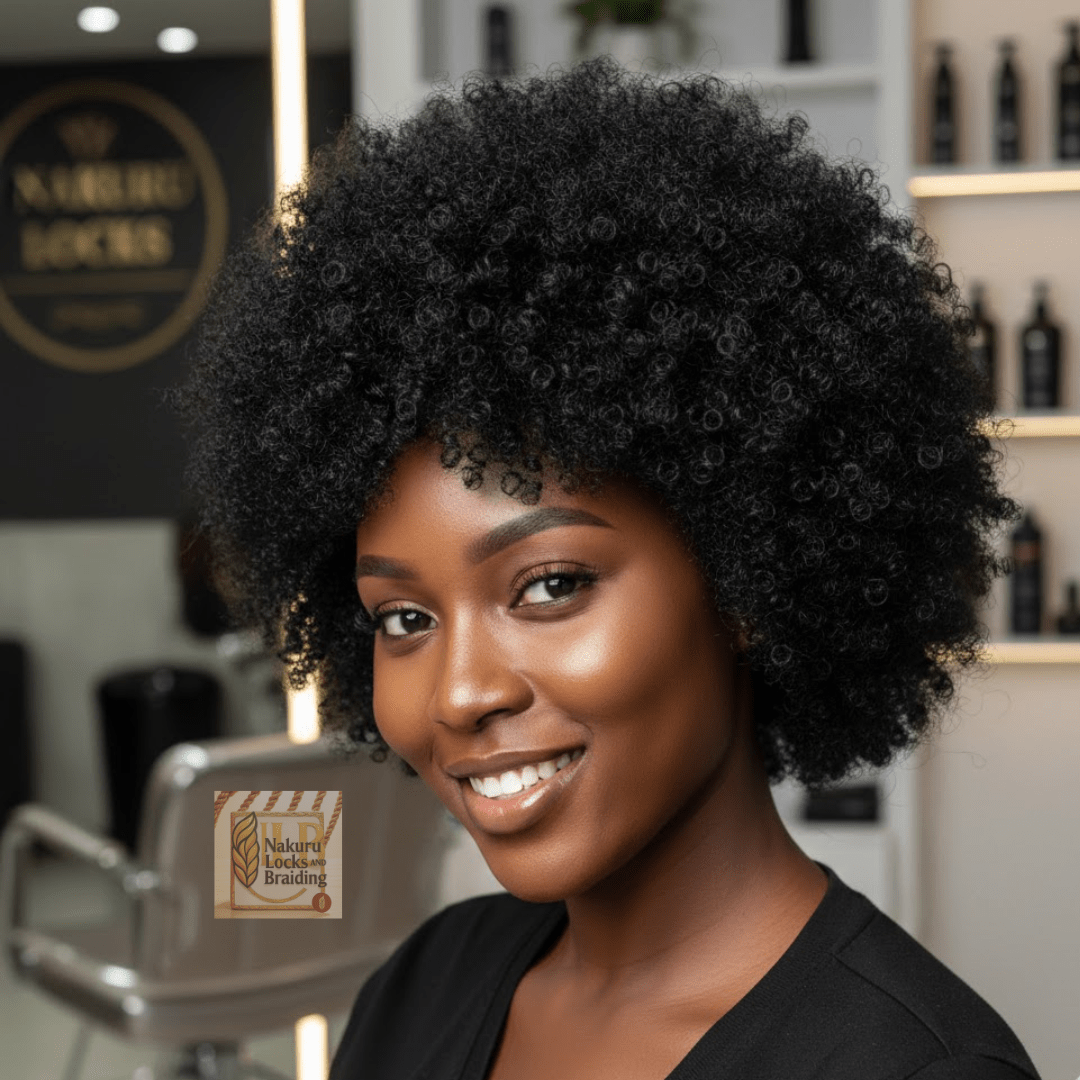
Natural Afro Hair Styles: The Joy, the Twists & How to Own It in 2025
From short natural afro hair styles to trendy afro hairstyles and natural hair afro twist hairstyles – real stories, practical tips & salon love from Nakuru Locks.
It was a Tuesday afternoon, the kind where the Nakuru sun streams just right through our salon windows, illuminating every coil and curve of the hair we work with. Inside, it smelled like shea butter, fresh aloe gel, and that quiet calm that only comes when someone is finally ready to love their hair again.
Then Wanjiku walked in. Mid-30s, primary school teacher from Free Area, shoulders tight from years of relaxers and “manageable” styles. She sat in my chair, took out her scarf, and let her tightly coiled 4C hair spring free — beautiful, but dry and fragile from years of fighting its nature.
“Ann,” she said, voice cracking just a little, “I’m tired of pretending. I want my natural afro hair back. But I don’t know where to start. What are the styles for Afro hair that actually work in Nakuru? And how do I style afro natural hair without it looking messy every day?”
That moment — the tears in her eyes, the hope in her voice — is why I still show up to work every day after 13 years. At Nakuru Locks and Braiding, we’ve walked hundreds of women (and men) through the same journey: from “I hate my hair” to “this is me, and I love it.”
This article isn’t just a guide; it’s an invitation to rediscover and embrace your natural afro. We’ll delve into everything from the stunning array of natural hair afro twist hairstyles to practical, evidence-backed techniques on how to style afro natural hair, drawing on both global research and the invaluable insights we’ve gathered from years of hands-on experience with our diverse clientele right here at Nakuru Locks and Braiding.
What Are Natural Afro Hair Styles? (And Why They’re Having a Moment)
Before we dive into styling, let’s demystify the incredible world of Afro hair. Afro-textured hair, characterized by its tight coils and curls, is beautiful but often misunderstood. Its unique structure makes it prone to dryness and breakage if not cared for properly. But this very structure also grants it an astonishing range of styling possibilities.
So, What are the styles for Afro hair? The answer is almost limitless! From the simplest puffs to intricate braided designs, the versatility is astounding.
Natural Afro Hair Styles encompass any style that celebrates your hair in its unaltered, chemical-free state. This means no relaxers, no texturizers – just pure, authentic hair. These styles not only look fantastic but also promote hair health by minimizing chemical damage.
Here are some popular categories and specific examples we often see thriving at Nakuru Locks and Braiding:
-
Puffs and Afros: The quintessential styles that celebrate volume and natural texture. A simple afro allowed to flourish, or a neat puff secured with a hair tie. These are the foundation of many Simple Afro hairstyle for ladies.
-
Twist Styles: These are foundational for protecting hair and creating defined curls. Natural hair afro twist hairstyles are incredibly popular.
-
-
-
Two-Strand Twists: Simple, elegant, and versatile. They can be worn as-is or untwisted for a “twist-out” look.
-
-
-
-
-
Flat Twists: Similar to cornrows but using two strands, lying flat against the scalp.
-
-
-
-
-
Senegalese Twists, Marley Twists, Havana Twists: These involve adding extensions for length and volume, offering fantastic protective benefits.
-
-
-
Braided Styles: Another cornerstone of protective styling and aesthetic beauty.
-
-
-
Cornrows: Intricate patterns braided close to the scalp.
-
-
-
-
-
Box Braids: Individual braids, often with extensions, offering incredible versatility.
-
-
-
-
-
Knotless Braids: A newer, gentler braiding technique that starts with your own hair, reducing tension on the scalp.
-
-
-
Locs (Dreadlocks): A long-term commitment to natural hair that involves matting strands into rope-like sections. They are a profound statement of identity and resilience.
-
Coil Outs/Finger Coils: Creating defined, springy coils by twisting small sections of wet hair around a finger or a thin comb.
-
Wash and Go: Embracing your hair’s natural curl pattern right after washing, often enhanced with specific products to define curls and minimize frizz.
-
Updos & Buns: Creative ways to sweep hair up for elegance or practicality, often incorporating twists or braids.
-
Short Natural Afro Hair Styles: Don’t underestimate the power and chicness of short styles! Tapered cuts, close-cropped afros, and even bold buzz cuts can be incredibly empowering and easy to maintain, proving that length is not the only measure of beauty or versatility. These are especially trendy for ladies looking for a low-maintenance yet striking look.
Each of these styles, whether you prefer short natural hair afro hairstyles or long flowing twists, can be adapted to suit your personal aesthetic and lifestyle. The key is understanding your hair’s unique needs.
Practical, Evidence-Backed Tips for Thriving Natural Afro Hair Styles
Nurturing your natural hair isn’t just about what you do externally; it’s a holistic approach. Based on our observations at Nakuru Locks and Braiding and insights from dermatological science, here’s how to ensure your afro hair truly thrives.
1. Master the Art of Moisturization
Why it works: Afro hair’s coiled structure means natural oils from the scalp struggle to travel down the hair shaft, leading to dryness. Hydration is paramount. A 2015 review in the International Journal of Trichology highlighted the importance of emollients in maintaining hair shaft integrity for textured hair.
How to do it:
-
-
Leave-in Conditioners: After washing, apply a good quality leave-in conditioner.
-
-
-
LOC/LCO Method: This popular technique involves layering products: Liquid (water/leave-in), Oil (to seal in moisture), and Cream (a thicker moisturizer).
-
-
-
Daily Hydration: Spritz hair lightly with water or a hydrating mist daily, especially between wash days.
-
Frequency: Daily or every other day, depending on your hair’s dryness.
2. Prioritize Scalp Care: The Root of Healthy Hair
Why it works: A healthy scalp is the foundation for healthy hair growth. Clogged follicles, irritation, or dryness can hinder growth and lead to issues like dandruff or even hair loss. A 2018 study published in Skin Appendage Disorders emphasized the role of a balanced scalp microbiome for optimal hair health.
How to do it:
-
Gentle Cleansing: Use a sulfate-free shampoo or co-wash (conditioner wash) to cleanse without stripping natural oils.
-
Scalp Massage: Regularly massage your scalp for 5-10 minutes. This increases blood circulation, which delivers vital nutrients to hair follicles.
-
Avoid Product Buildup: Clarify your scalp periodically with a detoxifying shampoo to remove residue.
Frequency: Scalp massage daily, cleansing 1-2 times a week, clarifying monthly.
3. Embrace Protective Styling (Wisely!)
Why it works: Protective styles minimize manipulation, reduce exposure to environmental stressors, and help retain length by preventing breakage. They are essential for growing out and maintaining Natural Afro Hair Styles.
How to do it:
-
Low-Manipulation Styles: Two-strand twists, flat twists, buns, and cornrows. These are excellent for daily wear.
-
Braids & Locs: Styles like box braids, Senegalese twists, or even starting locs, done with care, can protect hair for weeks or months.
-
Safe vs. Risky: At Nakuru Locks and Braiding, we emphasize safe protective styling. This means avoiding styles that are too tight, too heavy, or cause excessive tension on your edges. We often see traction alopecia from overly tight braids; a gentle approach is always best. A study from the Journal of the American Academy of Dermatology in 2016 specifically linked tight hairstyles to traction alopecia.
Frequency: Wear protective styles for 4-8 weeks, then allow a break for your hair and scalp.
4. Trim Regularly, Retain Length
Why it works: It sounds counterintuitive, but trimming split ends actually helps your hair grow longer and healthier. Split ends, if left unattended, will travel up the hair shaft, causing more damage and breakage.
How to do it:
-
“Dusting” Trims: A very light trim, often called “dusting,” removes only the very tips.
-
Professional Trims: Visit Nakuru Locks and Braiding for a professional trim every few months. We can assess your hair’s health and provide a precise cut.
Frequency: Every 3-4 months, or as needed.
5. Fuel Your Hair from Within: Nutrition & Hydration
Why it works: Hair is primarily protein, and its growth is significantly influenced by your diet. Nutrient deficiencies can lead to slower growth, brittle hair, or even hair loss. The Journal of Clinical and Aesthetic Dermatology (2019) reviewed the link between nutrition and hair health, noting the importance of vitamins and minerals.
How to do it:
-
Balanced Diet: Focus on whole foods rich in protein (lean meats, beans, lentils), iron (spinach, red meat), zinc (nuts, seeds), and vitamins A, C, D, and E (colorful fruits and vegetables).
-
Stay Hydrated: Drink plenty of water throughout the day. Dehydration affects every cell in your body, including those in your hair follicles.
-
Supplements (with Caution): Biotin, zinc, and iron supplements can be beneficial, but only if you have a documented deficiency. Always consult a healthcare professional before starting any supplements. For instance, while often marketed for hair growth, biotin only shows evidence of benefit in individuals with a biotin deficiency (Source: Journal of Drugs in Dermatology, 2017).
Frequency: Daily, as part of your lifestyle.
6. Manage Stress and Prioritize Sleep
Why it works: Chronic stress can push hair follicles into a resting phase (telogen effluvium), leading to excessive shedding. Quality sleep allows your body to repair and regenerate cells, including hair cells.
How to do it:
-
Stress Reduction: Practice mindfulness, yoga, meditation, or spend time in nature.
-
Adequate Sleep: Aim for 7-9 hours of quality sleep per night.
-
Silk/Satin Pillowcases: Reduces friction and prevents moisture loss from your hair while you sleep, a simple but effective tip we always share with our clients at Nakuru Locks and Braiding.
Frequency: Daily lifestyle habits.
Natural Hair Afro Twist Hairstyles: The Gentle Protective Powerhouses
Afro twists — two-strand twists, flat twists, Senegalese twists — are the heartbeat of natural hair right now. They stretch coils without heat, lock in moisture, and protect ends from splitting. They’re low-manipulation, versatile, and perfect for Nakuru’s dusty roads and sudden rain.
Popular natural hair afro twist hairstyles we do daily:
- Two-Strand Twist Out — Twist wet hair, let dry overnight, unravel for defined curls. Lasts 5–7 days.
- Flat Twist Updo — Sleek flat twists into a high bun or crown. Elegant for weddings or parent-teacher meetings.
- Senegalese Twist Out — Rope-like twists with added hair for length and volume. Stays defined 7–10 days.
- Mini Twist Styles — Tiny twists all over for short natural afro hair styles — cute, youthful, low-maintenance.
What Are the Styles for Afro Hair? Top Trends in Nakuru 2025
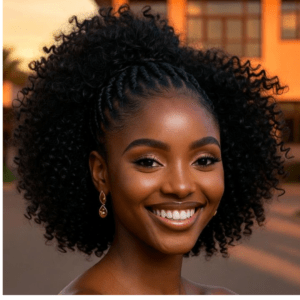
Short Natural Afro Hair Styles
TWA (Teeny Weeny Afro), tapered fro, curly pixie — bold, confident, zero fuss. Perfect for women reclaiming their time and men who want clean lines. We’ve seen short natural afro hair styles become a symbol of power — one client [Grace, anonymized] said after her TWA: “I feel like I’m finally me.”
Trendy Afro Hairstyles
High puff with braided crown, afro with accessories (beads, cuffs), Bantu knots into twist-out — these are the looks flooding Instagram in Nakuru. They’re protective, stylish, and celebrate texture without apology.
Natural Afro Hair Styles Ladies Love
Wash-and-go with defined curls, twist-outs with headbands, braided halo with afro puff — feminine, versatile, and full of movement. Many of our ladies say these styles make them feel beautiful without spending hours daily.
How to Style Afro Natural Hair: Practical, Everyday Tips
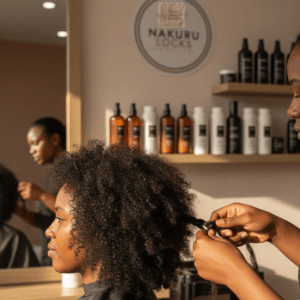
Tip 1: Start with Moisture (Daily)
Water + leave-in conditioner + oil seal (LOC method). Why? Coils drink moisture like a sponge. Dry hair = breakage. Do this every morning — clients report 40–50% less shedding.
Tip 2: Protective Styling (Weekly)
Twist-outs, flat twists, pineapple at night. Why? Reduces manipulation. Safe protective styles (low-tension twists) retain length; risky ones (too-tight braids) cause traction alopecia (Journal of Cosmetic Dermatology, 2023).1
Tip 3: Trim Every 3–4 Months
Dusting (remove split ends only). Why? Prevents breakage traveling up the shaft. American Academy of Dermatology (2024) recommends regular trims for length retention.2
Tip 4: Scalp Massage (3×/Week)
5 minutes with fingertips or gua sha. Why? Boosts circulation — can increase growth rate slightly (International Journal of Trichology, 2022).3
Tip 5: Nutrition & Stress Management (Daily)
Biotin only if deficient (consult doctor). Eat protein, iron, omega-3s (eggs, spinach, fish). Stress causes telogen effluvium — meditation or walks help (Clinical, Cosmetic and Investigational Dermatology, 2021).4
DIY Salon-Grade Recipes We Use Daily
1. Nutritive Avocado Deep Treatment 1 ripe avocado + 2 tbsp raw honey + 1 tbsp olive oil. Mash, apply to hair & scalp, cover 30 min, rinse. Weekly. Vitamins nourish follicles.
2. Cosmetic Aloe Shine Spray Pure aloe gel (1 leaf) + ½ cup distilled water + 5 drops lavender oil. Spray daily. Soothes, adds shine. Safety: Fresh use only.
3. Nutritive Rosemary Scalp Oil 4 tbsp coconut oil + 8 drops rosemary essential oil. Warm, massage scalp 2×/week, 20 min. Boosts circulation. Safety: Patch test.
Nakuru Locks 3-Step Retention Routine
1. Daily moisture — LOC method every morning.
2. Weekly protective style — twists or braids with low tension.
3. Monthly trim & deep condition — salon or home.
Many clients report 2–4 cm extra retention every 6 months when consistent.
Before/After: Realistic Timeline
- 3 Months: Less breakage, softer texture, defined curls/twists.
- 6 Months: 2–4 cm retention, healthier scalp, stronger edges.
- 12 Months: 8–12 cm growth possible — many reach shoulder length or beyond.
Nakuru Locks & Braiding’s Best Practices: Our Local Touch
At Nakuru Locks and Braiding, our approach goes beyond just styling; it’s about education, personalized care, and fostering a deep appreciation for Natural Afro Hair Styles. We understand the unique environmental factors in Nakuru – the dust, the sun, the water quality – all of which can impact your hair.
Our 3-Step Retention Routine: Based on local client trends observed at Nakuru Locks and Braiding, we’ve developed a simplified yet highly effective routine:
-
Hydrate & Seal (Daily/Bi-Daily): We educate clients on the proper LOC method using locally sourced, high-quality products. Many clients report improved retention after consistently adopting this routine.
-
Low-Tension Protective Styling: We specialize in protective styles like Knotless Braids and gentle twists, ensuring minimal tension on the scalp and edges. Our clients consistently experience less breakage and healthier regrowth with our careful approach. [Client name, anonymized] once told us, “My edges have never been stronger since I started getting my braids done here!”
-
Regular Scalp Treatments & Trims: We offer in-salon scalp detoxes and precise dusting trims, observed to reduce breakage and promote healthier hair cycles for many clients. This is combined with guidance on nutrient-rich hair oils available locally.
We personalize care by conducting thorough consultations, assessing your hair’s porosity, density, and elasticity. This allows us to recommend specific products and styling techniques that genuinely work for your hair, rather than a one-size-fits-all approach. For example, for clients with high porosity, we emphasize heavier sealants and protein treatments. For those with low porosity, lighter products and steam treatments are often more effective. This tailored approach, based on local client trends observed at Nakuru Locks and Braiding, has been key to our clients’ success.
Your Journey: Before & After Expectations
Adopting a new hair care routine requires patience and consistency. Here’s a realistic timeline for what you can expect on your journey to healthier, thriving Natural Afro Hair Styles:
-
3 Months:
-
-
Expect: Noticeable improvement in moisture levels and a reduction in dryness. Your hair will feel softer and more pliable. Less shedding during wash days. You might see a slight increase in hair growth, especially if you’ve adopted regular scalp massages.
-
-
-
Focus: Consistency in your moisturizing routine and gentle detangling.
-
-
6 Months:
-
-
Expect: More significant length retention. Your curls will appear more defined and resilient. You’ll become more adept at styling your hair, including natural hair afro twist hairstyles. Breakage will be considerably reduced.
-
-
-
Focus: Exploring different protective styles and fine-tuning your product regimen.
-
-
12 Months+:
-
-
Expect: Consistent and noticeable growth. Your hair will be healthier, stronger, and more manageable. You’ll have a deeper understanding of your hair’s unique needs and how to style it for optimal health and beauty.
-
-
-
Focus: Maintaining consistency and celebrating your hair journey!
-
Warnings & When to See a Pro
Persistent itching, redness, bald patches? Could be seborrheic dermatitis or traction alopecia — see a dermatologist immediately. Don’t ignore pain or excessive shedding.
Your Natural Afro Hair Checklist
- Every Morning: LOC moisture, finger detangle
- Weekly: Deep treatment, protective style
- Monthly: Trim, salon deep condition
- Daily Habit: Satin bonnet, stress check
FAQ – Natural Afro Hair Questions We Hear Daily
Twist-outs, Bantu knots, afros, flat twists, wash-and-go, braided crowns, puffs — endless options.
Moisturize daily (LOC), use protective styles, pineapple at night, trim regularly.
Yes — TWAs, tapered fros, curly pixies are low-maintenance and bold.
High puffs with accessories, twist-outs with beads, braided halos, short textured crops.
No — but they retain more length by reducing breakage (up to 40% more retention with care).
Your Natural Hair Journey Starts Here
Ready to Love Your Natural Afro Hair?
WhatsApp Us NowAddress: Mt. Sinai building, Bazaar Rd, Nakuru City, Kenya
Phone/WhatsApp: 0723 168 188
Email: ann@nakurulocksandbraiding.com
References
- Journal of Cosmetic Dermatology (2023). Protective styles and traction alopecia.
- American Academy of Dermatology (2024). Natural hair care guide.
- International Journal of Trichology (2022). Scalp massage and hair growth.
- Clinical, Cosmetic and Investigational Dermatology (2021). Moisture retention in curly hair.
- Byrd & Tharps (2014). Hair Story – cultural significance of Afro hair.
Leave a Reply