
Sleek Ponytail Hairstyles: The Complete 2026 Guide for Every Hair Type
There is a particular kind of quiet confidence that comes from a ponytail pulled back just right — not a single flyaway in sight, the edges laid, the length swinging free like it has somewhere important to be.
Walk into any wedding reception, boardroom, or Nairobi street corner on a Friday evening and you will spot it: the sleek ponytail, doing what it has done since ancient Greece — making effortlessness look intentional.
At Nakuru Locks and Braiding, we see this request more than almost any other. Clients arrive with photos on their phones, some cut from red-carpet coverage, some borrowed from TikTok, all asking a version of the same question: can you make my hair do that? The good news is that the sleek ponytail is one of the most universal hairstyles in existence.
It travels across hair textures, hair histories, and hair budgets. The better news is that getting it right — and keeping your scalp healthy while you wear it — comes down to a handful of techniques that a skilled braider or stylist can teach you in a single sitting.
This guide walks through everything our clients ask us: what a sleek ponytail actually is, which hair types it flatters, how it changes shape for weddings and everyday wear, how weaves and braids fit into the picture, and — because we care about your hair’s long-term health as much as its Instagram appeal — what dermatologists want you to know before you pull that elastic tight.
What Makes a Ponytail “Sleek,” Exactly?
A sleek ponytail is defined less by where the hair sits and more by how the surface looks.
The hallmark is a smooth, flat crown with no visible bumps, frizz, or separation, usually achieved with gel, a fine-tooth comb, and a boar-bristle brush, then locked in place with a light-hold spray so the finish keeps its shine without turning stiff or waxy.
Unlike a “messy” or “textured” ponytail, which leans into volume and loose pieces, a sleek pony treats the head almost like a canvas — the part is crisp, the hairline is controlled, and the tail itself can be straight, curled, or braided, as long as the base stays smooth.
Stylists this year note that the finish should always complement the hair’s natural texture, with sleeker styles typically suiting thicker hair and longer lengths while finer hair benefits from a bit of added texture for fullness.
In other words, “sleek” is a technique you adapt to your hair, not a single rigid look you force onto it.
What Are Some Popular Ponytail Styles for 2026?
This year’s ponytail trends split into two moods: maximalist glamour and razor-sharp minimalism, often blended in the same look.
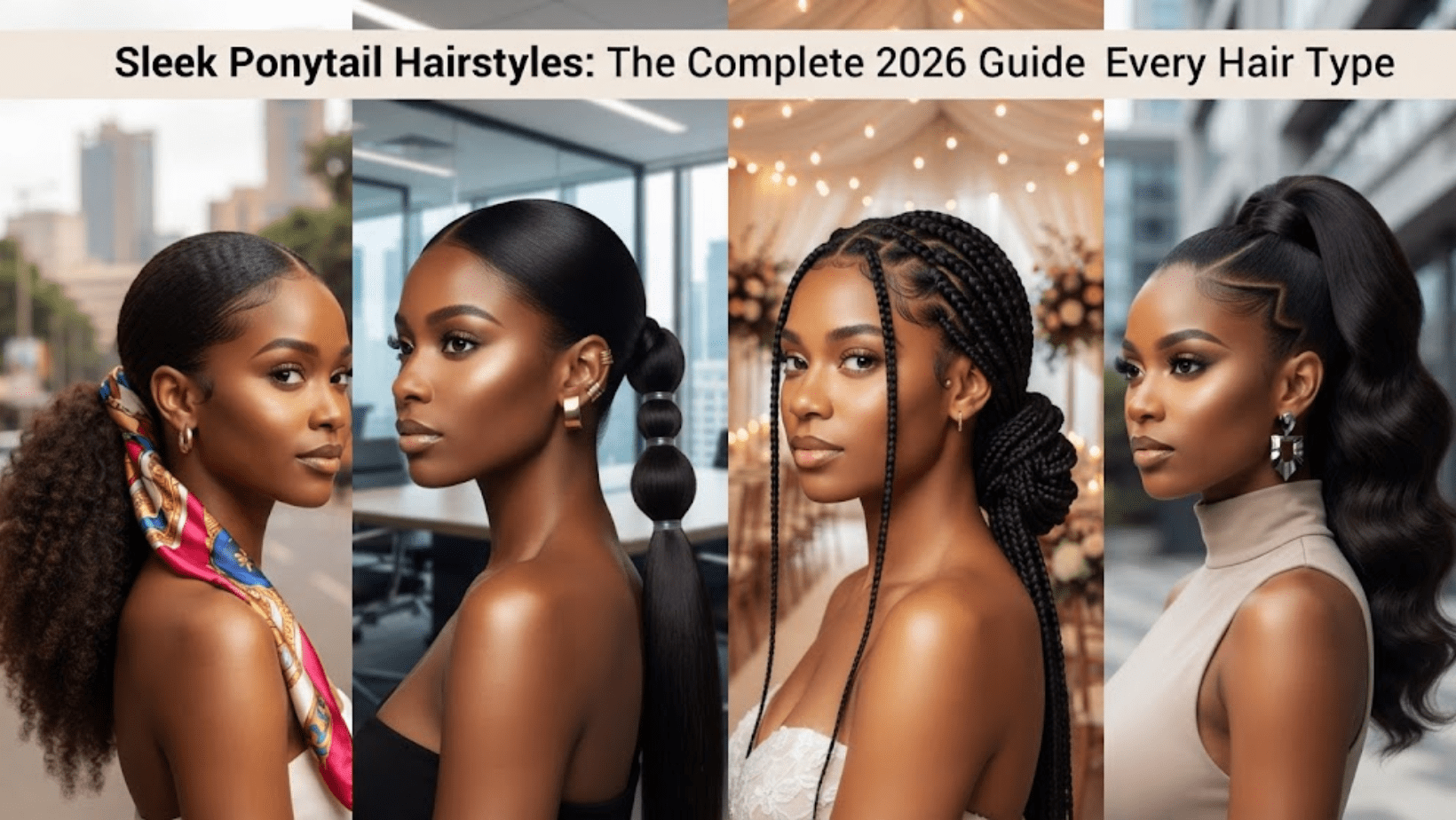
- The bubble ponytail. Small elastics are placed at even intervals down the length of the tail, and each section is gently pulled apart afterward to create a series of rounded, playful “bubbles,” a technique especially striking on long, straight hair.
- The evolved “supermodel” pony. This look chases extreme, soft volume at the crown that appears to defy gravity, achieved through advanced teasing and lightweight, invisible support rather than raw tension.
- Sculptural, woven tails. Rather than leaving the tail plain, stylists are knitting small sections of hair over one another to create a woven texture, or tying a single artful knot partway down the ponytail.
- The graphic part. Instead of a straight line, deep, curved, or zig-zag parts slicked down with gel are becoming a featured design element rather than an afterthought.
- The sleek braid-into-pony. A French braid is worked from the hairline down to the nape before flowing into a polished ponytail, containing flyaways while adding texture — a style Beyoncé has favored for its sporty-chic edge.
- Cornrow ponytails. From two-tone color blocking to face-framing baby cornrows left loose at the front, this remains one of the richest categories for textured hair.
The throughline for 2026 is customization: a base technique (sleek, gelled, center or side part) dressed up with texture, color, or braid work depending on the occasion.
Sleek Ponytail Hairstyles for Black Hair
For coily, kinky, and tightly curled textures, “sleek” usually means working with the hair’s natural shrinkage and moisture needs rather than against them.
The classic approach layers a leave-in conditioner, a light oil or edge cream, and a firm-hold gel, then uses a fine-tooth comb (or an old toothbrush for the hairline) to smooth the surface before securing the tail with a satin-covered band.
Because Type 4 hair reverts quickly in humidity, many stylists recommend stretching the hair first — through a blowout, silk press, or braid-out — before slicking it into a pony, which gives the gel something smooth to grip.
A wrapped silk scarf overnight helps preserve the sleekness for several days, which matters if you’re paying for a salon finish and want it to last through the work week.
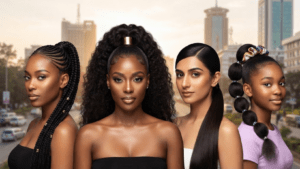
Sleek Ponytail Hairstyles: Black Girl Edition
For younger clients and more playful takes, the sleek ponytail becomes a base for personality rather than a formal statement.
Think: a high, glassy pony with a wrapped section of hair covering the elastic, finished with a bold-colored scrunchie or a beaded hair tie; or a low, side-swept sleek pony paired with a deep side part and laid edges.
These versions keep the same sleek-crown technique but trade the minimalist styling of adult, professional looks for accessories — barrettes, gold cuffs, ribbon — that make the style feel fresh and age-appropriate.
Sleek Ponytail Hairstyles With Weave
Weave (wefted hair extensions) is one of the most reliable ways to achieve length and fullness in a sleek ponytail without waiting years for natural growth. Two main methods dominate:
1. Ponytail wrap method. Natural hair is gathered and secured into a base ponytail, then a wefted or wrap-around ponytail piece is coiled around the base to disguise the elastic, giving instant length with a seamless join.
2. Sew-in with a leave-out. A small section of natural hair (the “leave-out”) is left free at the crown or hairline specifically so it can be gelled sleek and blended over a sewn-in weave underneath, making the whole head appear to be one continuous ponytail.
Both approaches are popular as protective styles because the bulk of the hair is secured away from daily manipulation.
The trade-off, discussed further below, is added weight and tension at the root, which is worth managing carefully if you wear ponytails with weave often.
Sleek Ponytail Hairstyles With Braids
Braided ponytails sit at the intersection of protective styling and high fashion, and they were called out by name as one of this year’s leading trends.
Braided ponytails are especially on trend right now across hair textures, according to stylists tracking the 2026 season. Popular variations include:
- Cornrow-into-ponytail: cornrows braided back from the hairline and gathered into a low or high pony, sometimes finished with color, beads, or a two-tone braid pattern.
- French or Dutch braid tails: a single thick braid replacing the usual smooth tail, offering texture with a still-polished base.
- Box braid or knotless ponytails: braided extensions gathered and secured, giving the length and movement of a full head of braids with the convenience of a single pulled-back style.
- Face-framing leave-outs: two slim cornrows or braids left loose at the temples for a softer, youthful finish, as seen across several 2026 cornrow-ponytail collections.
Because braided ponytails often involve added extensions, choosing a skilled braider matters — tension needs to be even and comfortable across the whole hairline, not just tight enough to “hold.”
Sleek Ponytail Hairstyles for Wedding
Bridal ponytails have shed their casual reputation entirely. Stylists now treat them as a legitimate alternative to the traditional updo, particularly for modern and destination weddings.
A power ponytail can feel elegant and modern for both bridal and guest styling, while a wispier, looser ponytail creates a more relaxed, romantic finish — meaning brides can choose their ponytail’s personality to match the wedding’s formality.
For bridal specifically, popular executions include:
- The bubble pony, which suits modern bridal looks and consistently draws compliments at weddings, engagement celebrations, and anniversary dinners.
- The half-braided pony, where the top section of hair is braided and flows seamlessly into loose hair below, creating a romantic look for weddings and engagement events.
- The high-volume pony, delivering drama for receptions and photography, especially when paired with a veil attached at the base of the tail rather than the crown.
If you’re planning bridal hair with extensions or a weave-based ponytail, schedule a trial run well ahead of the date — sleek styles are unforgiving of last-minute surprises like product build-up or an uneven part.
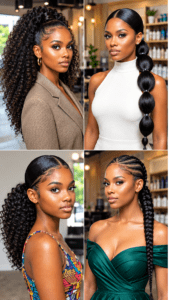
Sleek Ponytail Hairstyles for Natural Hair
For natural, unprocessed curls and coils, achieving true “sleekness” is a matter of technique rather than compromise. The most reliable method:
1. Start on clean, well-moisturized hair — product grips better on hydrated strands than on dry ones.
2. Apply a leave-in conditioner and a light styling oil to soften the cuticle.
3. Use an edge control gel or styling cream at the hairline, smoothing with a soft-bristle brush in the direction of the ponytail.
4. Secure with a snag-free, seamless hair elastic — never a rubber band, which shreds natural strands.
5. Wrap a small section of hair around the base to conceal the elastic, pinning it flat underneath.
Because natural hair often has more shrinkage and volume at the root, many people achieve the smoothest base by stretching the hair first (a blowout, roller set, or braid-out) rather than fighting shrinkage with gel alone.
What Type of Hair Is Best for a Sleek Ponytail?
Any hair type can wear a sleek ponytail — but the technique shifts by texture:
- Fine, straight hair takes to sleekness most easily but can look flat without added texture at the crown or in the tail; stylists note that finer hair often looks best with added texture, since it creates fullness and movement.
- Thick, longer hair tends to hold a sleek finish longest, since sleeker finishes usually complement thicker hair and longer lengths without needing constant touch-ups.
- Wavy and curly hair can go sleek with the right prep (moisture, then a firm-hold product) but will need extra maintenance in humidity.
- Coily and kinky hair achieves the smoothest, longest-lasting sleek finish when the hair is stretched first, then sealed with gel and protected overnight with a satin wrap or bonnet.
One more tip from stylists: second- or third-day hair is often ideal for ponytails, since it offers more grip and texture than freshly washed hair — so if your pony keeps slipping or refuses to stay sleek, freshly washed hair may actually be working against you.
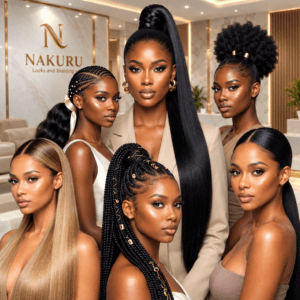
What Type of Ponytail Is in Style?
Right now, the answer is “customized, not generic.” The dominant styling philosophy for 2026 blends a sleek, minimalist base — smooth crown, sharp or graphic part — with one standout detail: a woven or knotted tail, a bubble effect, added volume at the crown, or a braided element.
The overall direction blends retro-futurism with organic texture and sleek minimalism, meaning the “in” ponytail borrows the polish of past decades but adds a single unexpected, structural twist rather than going fully plain or fully extravagant.
What Are Some Cute Ponytail Styles?
If you want something lighter and more playful than a formal or bridal look, consider:
- A half-up bubble pony for casual outings.
- A low side pony with a wrapped elastic and soft face-framing pieces.
- A braided ponytail with beads or cuffs, especially popular for younger clients and festival looks.
- A high pony with curly ends, combining a sleek base with bouncy, textured length — a combination stylists describe as playing with both texture and color for a romantic-but-current finish.
A Word on Hair Health: Keep It Sleek, Keep It Safe
Because sleek ponytails rely on tension to look smooth, it’s worth pausing on scalp health. Dermatologists have documented a real condition called traction alopecia, caused by repeated pulling on the hair follicle.
According to the American Academy of Dermatology, a sleek ponytail, cornrows, a tightly pulled updo, or a head covering can help you express your style, but these styles also constantly pull at and damage the health of your hair, and over time that pulling can lead to hair loss known as traction alopecia.
Medical experts elsewhere echo this: tight ponytails or buns, especially when worn high or slicked back daily, pull at the hairline and stress the follicles near the temples and edges, and the nape of the neck is often stressed by high ponytails, buns, or updos that pull hair upward and back.
The reassuring part is that this is manageable, not a reason to avoid the style entirely. Guidance from dermatology sources includes:
- Rotate styles and parts. Rotating hairstyles every few weeks reduces repeated pressure on the same area of the scalp.
- Loosen when you can. Loosening braids, ponytails, buns, and extensions when possible, and avoiding styles that create scalp pain, stinging, or visible pulling, helps protect the hairline.
- Watch for early warning signs. Early signs of traction alopecia may include tenderness, bumps, itching, breakage, or gradual thinning near the hairline.
- Act quickly if you notice thinning. Unlike pattern hair loss, traction alopecia is often reversible once the source of tension is removed, though long-term pulling may cause permanent damage.
At Nakuru Locks and Braiding, this is exactly why our stylists check tension at the hairline before finishing any pony, weave-based style, or braided updo — a sleek look should never come at the cost of your scalp’s long-term health. A pony that stings or leaves a headache is too tight, no matter how good it looks in a photo.
Sleek Ponytail Hairstyle FAQ
How do I keep my sleek ponytail smooth all day?
Use a strong-hold, non-flaking gel at the hairline, smooth with a fine-tooth comb and boar-bristle brush, and set the edges with a wrapped scarf for a few minutes before removing it. A light finishing spray (not more gel) touches up frizz without stiffness.
Can I get a sleek ponytail if I have short hair?
Yes — a wrap-around ponytail extension or a small weft clipped at the crown adds instant length while your own hair is gelled sleek at the base, blending the join.
Is a tight ponytail bad for my hairline?
Worn occasionally, no. Worn daily and pulled very tight, it can contribute to traction alopecia over time, so dermatologists recommend rotating styles and loosening ponytails when possible.
How long does a sleek ponytail with weave or braids last?
With proper care — a silk or satin wrap at night and minimal re-wetting of the hairline — a sleek weave or braided pony can look fresh for one to two weeks before needing a touch-up.
What products do I need for a natural-hair sleek ponytail?
A leave-in conditioner, a lightweight oil or edge cream, a firm-hold edge control gel, and a seamless (not rubber) hair elastic are the essentials.
Are sleek ponytails appropriate for weddings?
Absolutely. Bridal stylists now treat sleek and bubble ponytails as full alternatives to updos, especially for modern, minimalist, or destination weddings.
Book Your Sleek Ponytail at Nakuru Locks and Braiding
Whether you want a gel-slicked power pony for a Monday meeting, a bubble ponytail for a wedding, or a fully braided style that doubles as a protective style for weeks, our stylists at Nakuru Locks and Braiding tailor the technique to your hair’s texture, density, and history — always keeping your scalp’s health in the conversation, not as an afterthought.
Related Articles from Nakuru Locks and Braiding
References
- American Academy of Dermatology
- The Well by Northwell
- Banner Health
- Waverly DermSpa
Leave a Reply